
En esta noticia
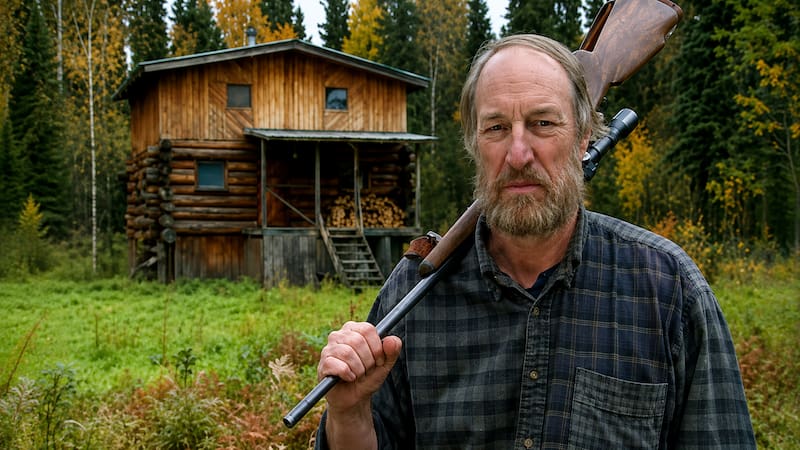
When Kenneth Deardorff, a Vietnam War veteran from California, moved to Alaska in 1974, he was looking for a new beginning and hoping to find work. Instead, his journey led him into one of the final chapters of the Homestead Act, making him the last person in U.S. history to receive a homestead title under the historic federal program.
Deardorff arrived in Alaska after completing college with a degree in geography. He had considered opportunities with the U.S. Geological Survey, but his plans changed after he learned about homesteading at the Bureau of Land Management office in Anchorage.
He eventually selected a remote piece of land along the Stony River in southwestern Alaska, where he would spend years building a life far removed from the infrastructure of major cities.

What was the homestead act?
The Homestead Act of 1862 was one of the most important federal land programs in American history. It allowed eligible settlers to claim public land and eventually obtain ownership if they met specific requirements.
Under the original rules, settlers could receive as much as 160 acres by paying a filing fee, living on the property and making improvements for a required period of time. The program helped encourage settlement throughout large parts of the American West.
However, the program did not continue indefinitely. Congress repealed the Homestead Act in 1976, although Alaska received an extension that allowed new homestead claims to continue until 1986.
How did kenneth deardorff live in alaska?
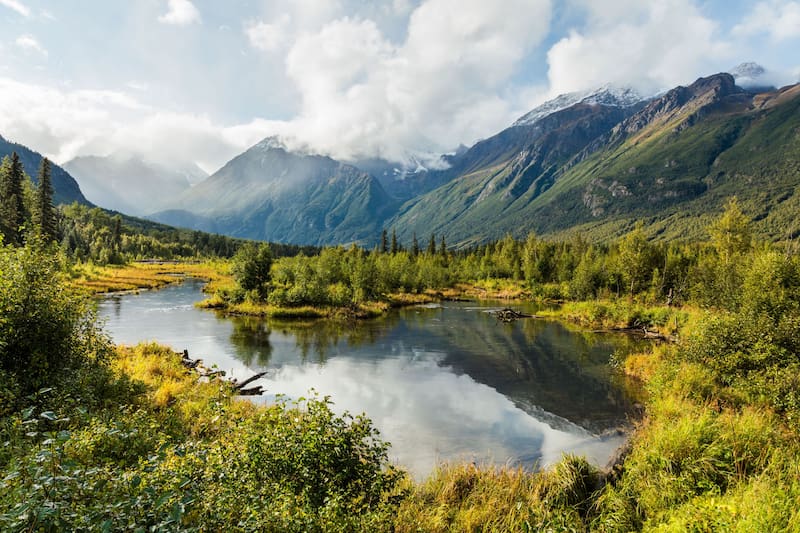
Deardorff’s homestead was located deep in the Alaskan interior, approximately 200 miles west of Anchorage, and there were no roads connecting the property to the outside world.
Getting around required a plane, boat or travel through the wilderness. Mail was also limited, and collecting it could require traveling to another village.
To support himself, Deardorff operated a small general store for people traveling along the Stony River. He also hunted, trapped fur and worked to develop the land.
His effort to transform the remote property into a functioning homestead included an unusual piece of equipment: a 1945 Allis-Chalmers tractor. The machine was transported to the area in pieces and used to clear land for farming, including removing hundreds of tree stumps.
He completed the requirements in 1979
Deardorff completed the legal requirements for his homestead claim in 1979, but that was not the end of the process.
Although he had fulfilled the requirements, the government did not issue his final homestead patent until May 5, 1988 — nearly nine years later. The National Archives identifies that document as the final homestead awarded under the Homestead Act.
This timing is what made Deardorff’s story so unusual. By the time he officially received the document, homesteading had already ended in Alaska for new claims.
The National Park Service later confirmed that Deardorff was the final person to receive title to land claimed under the Homestead Act.

Why was he the last homesteader in u.s. history?
Deardorff’s case effectively closed a chapter that had begun more than a century earlier.
The Homestead Act was signed by President Abraham Lincoln in 1862 and became a major tool for encouraging settlement across the United States. Over the decades, millions of acres were transferred to settlers who met the program’s requirements.
Alaska was among the last places where the system remained active. According to the National Archives information cited by The Economic Times, 3,277 homesteads had been conveyed in Alaska by the time the program ended there, covering more than 360,000 acres.
Deardorff’s final patent therefore represented more than personal land ownership. It marked the closing point of one of the longest-running federal settlement programs in American history.