
En esta noticia
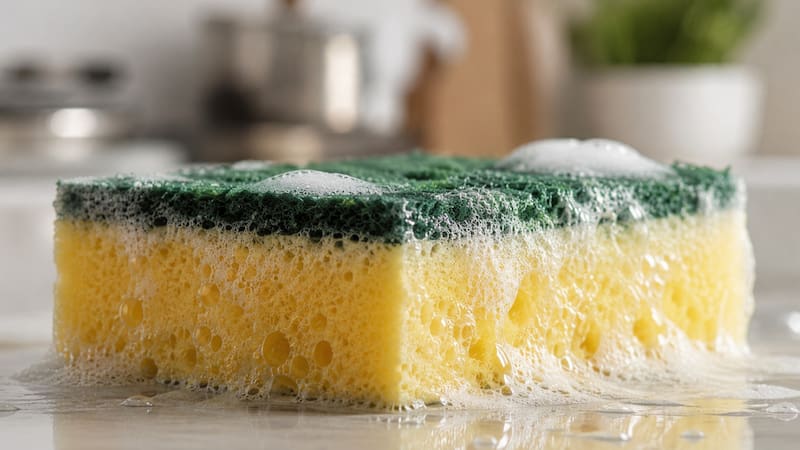
Kitchen sponges are one of the items most used by everyone in daily life, so they can become a suitable place for the accumulation of germs.
For this reason, the specialist in pediatric infectious diseases at Cleveland Clinic, Frank Esper, advises replacing them frequently and paying special attention to their condition.

Kitchen sponges can accumulate microorganisms and should be changed regularly
Cross-contamination occurs when an object contains allergens, toxic materials, or microorganisms capable of causing disease.
According to the expert, this problem frequently occurs in the kitchen. A contaminated surface or utensil can become a vehicle for transferring microorganisms from one place to another, especially when proper hygiene practices are not applied.
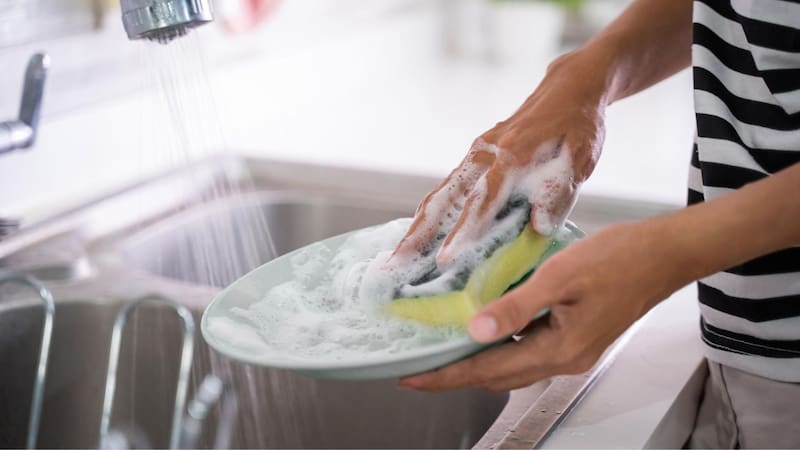
Among the bacteria that may be related to food contamination are Salmonella, E. coli, and Listeria.
“Sponges should be changed at least every two weeks,” according to Frank Esper
Among his recommendations to reduce the risk of contamination is changing sponges every two weeks at a minimum.
The expert also warns that they should be discarded sooner if they begin to look unpleasant or smell bad.
Nevertheless, this practice should be accompanied by other precautions such as washing hands for 20 seconds, cleaning while cooking, or using separate boards for cooked and raw foods, among other examples.