
Por Sofía Herrera
En esta noticia
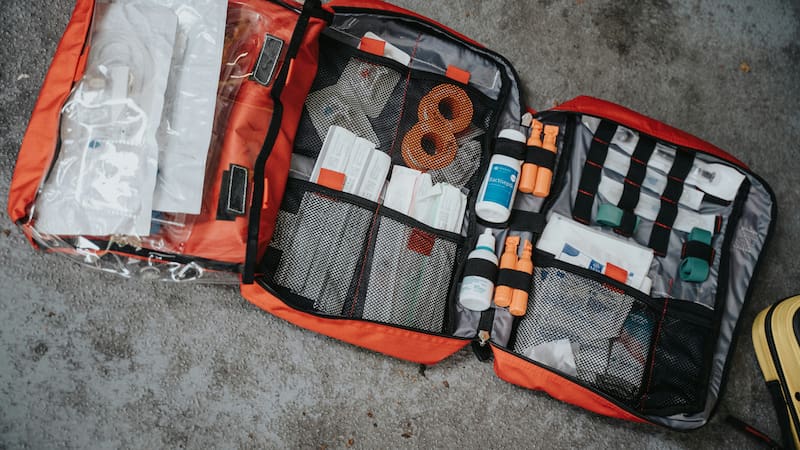
The Secretariat of Comprehensive Risk Management and Civil Protection (SGIRPC) in Mexico City (CDMX) reminded the public of the importance of having a Life Backpack, a kit that includes food, medicine and basic items to make a quick evacuation easier and have supplies on hand in the event of an earthquake, flood, or other emergency situation.
In the capital, this culture of prevention took on special importance after the magnitude of the earthquake on September 19, 1985, which claimed the lives of thousands of people. There were also more than 30,000 injuries and thousands of homes and buildings destroyed.
Still, preparation for possible contingencies has also spread to other countries. In recent days, more than 50 nations have recommended that their citizens prepare emergency kits to deal with different scenarios, from natural disasters and service outages to cyberattacks, geopolitical conflicts, and health crises.
What should an emergency go-bag include?
According to Mexico City’s Secretariat of Comprehensive Risk Management and Civil Protection, the emergency go-bag should be individual and adapted to the specific needs of each family member.
“Do you already have your #MochilaDeVida? Remember that it should contain basic supplies to survive the first 72 hours after an emergency or earthquake. 👉 Here we tell you how to prepare it. #PreventionIsOurStrength,” the Secretariat of Comprehensive Risk Management and Civil Protection posted on X.
Among the basic recommended items are:
- Family risk-prevention plan, with evacuation routes and meeting points.
- Portable radio with batteries.
- Bottled water.
- Blanket.
- Tissue paper and sanitary wipes.
- Flashlight and batteries.
- Cash, in case electronic payment systems fail.
- Baby food, when needed.
- Diapers.
- Duplicate keys to the home and vehicle.
- Toothbrush and toothpaste.
- Whistle.
- Lighter.
- Small notebook and pen.
- Nonperishable food that does not require refrigeration.
- A change of clothes.
- Backup eyeglasses, if needed.
Countries recommending an emergency kit
So far, more than 50 countries have issued recommendations for their citizens to have enough supplies to face emergency situations. The suggested timeframes vary by country:
Americas
- Peru: four days.
- Canada: 72 hours.
- Mexico: 72 hours.
- Colombia: 72 hours.
- Ecuador: 72 hours.
- Chile: 48 to 72 hours.
- United States: several days.
- Brazil: emergency kit.
- Argentina: emergency backpack.
Asia
- Taiwan: seven days.
- Japan: three days and, if possible, a week.
- Israel: three days.
- Kazakhstan: three days.
- Turkey: 72 hours.
- Georgia: 72 hours.
- Indonesia: 72 hours.
- Malaysia: 72 hours.
- Kuwait: two days.
- India: emergency kit.
- Philippines: emergency bag.
- Singapore: go-bag.
Oceania and Africa
- New Zealand: three days or more.
- South Africa: three days.
- Australia: emergency kit.
European Union
The general recommendation is that citizens have enough supplies to last at least 72 hours.
Concern grows over possible emergencies
The international recommendation comes in a context marked by different incidents and warnings. Recently, hackers hacked emergency alert apps in Ukraine and Russia to spread false messages about supposed nuclear attacks.
That was followed by remarks from political commentator Tucker Swanson, who hosted Fox News’ Tucker Carlson Tonight from 2016 to April 2023. On X, he said Donald Trump could be close to ordering a nuclear strike against Iran.
According to the journalist, the U.S. administration could make that decision under pressure from Israeli Prime Minister Benjamin Netanyahu, and he identified the area known as Pica Mountain, in central Iran, as a possible target, where - according to his claims - Israel says the Iranian government would have resumed its nuclear enrichment program.