
En esta noticia
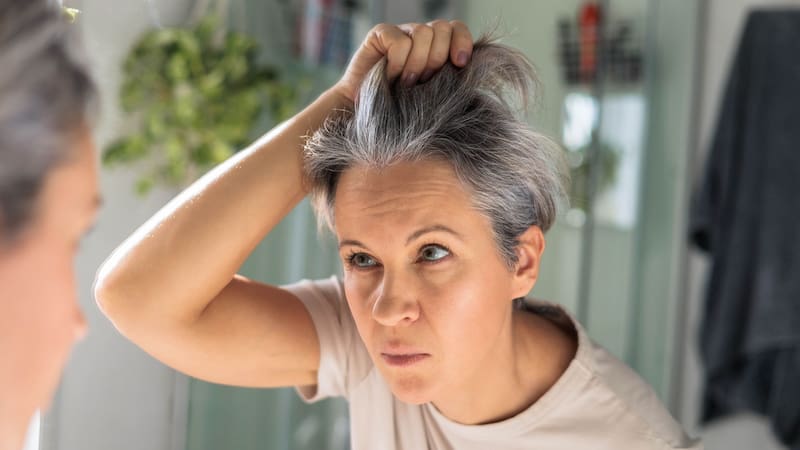
As the years go by, gray hair becomes a reality for many people because the body starts producing less melanin, the pigment that gives hair its color.
Antonella Tosti, a dermatologist with the University of Miami Health System, explained in a university article the factors that can speed up the graying process and also debunked myths, including those related to the supposed effects of dyeing your hair.

Expert debunks myth: Antonella Tosti says hair dye does not affect gray hair
“Coloring or bleaching does not affect graying in any way. Go ahead and dye it. The best type of dye to use depends on how much gray hair you have,” the expert says.
In that regard, Tosti advises that people with less than 30% gray hair use natural products such as henna or semi-permanent dyes. When more than half the hair is gray, the recommendation for those who choose to cover it is to opt for a permanent dye.
Factors that can contribute to graying
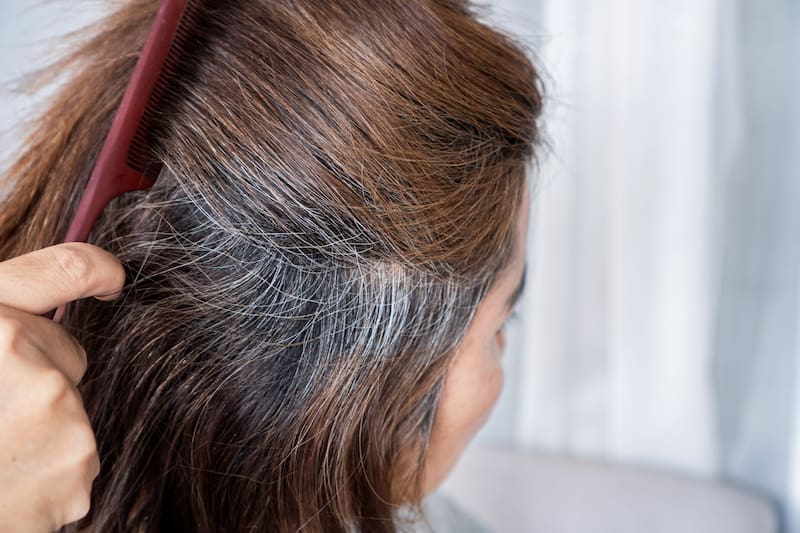
One factor to consider is genetics: “There are genetic factors in when a person goes gray. Genes matter, just as they do in skin aging overall,” the specialist explains.
Ethnicity also plays an important role, according to Tosti, who explains that white people develop gray hair earlier than other groups, while Asians take longer and people of African descent go gray after age 45.
In addition, the specialist says that “many studies have shown that you can go gray because you experience a lot of stress. Environmental factors that raise your stress level encourage graying.”
Finally, diet can also have an effect. Tosti says the best diet for slowing aging is one rich in vegetables and anti-inflammatory foods.