
En esta noticia
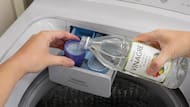
Fabric softener has a little-known trick that can save hours of effort: when applied to walls, it helps remove wallpaper that has been stuck on for years without needing to scrape hard. An unexpected use for a product that is almost always associated only with the washing machine.
Although it is usually reserved for laundry, some cleaning specialists recommend using it for other household tasks as well. And the most curious one appears precisely when it is time to refresh a room and deal with that paper stuck to the wall that refuses to come off.
What fabric softener is for when removing wallpaper
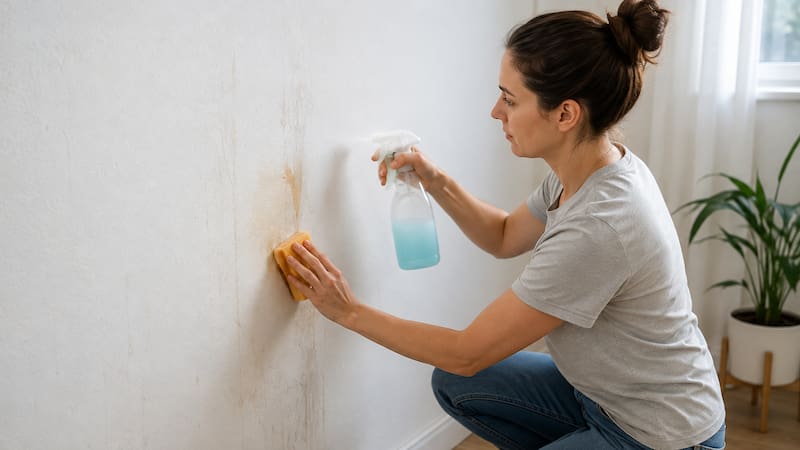
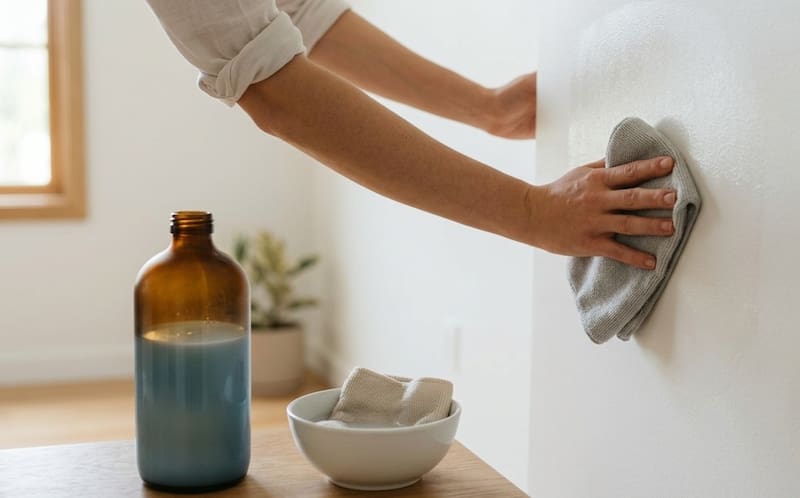
Fabric softener is used to soften the glue that keeps the paper attached to the surface. The preparation is simple: mix one part fabric softener with three or four parts water and spread it over the covering.
Then the solution must be left to act for about 15 minutes. The moisture gradually penetrates the paper and loosens the adhesive, making it much easier to lift. This avoids having to scrape too hard and reduces the risk of damaging the plaster or the surface underneath.
The explanation has to do with the product’s ingredients. Fabric softeners contain surfactants and agents that reduce friction and help penetrate and soften certain residues. Combined with warm water, they make an old adhesive gradually lose strength.
How to apply the trick without damaging the wall
The method works especially well when small perforations or superficial cuts are made first in waterproof or vinyl papers, because they allow the mixture to reach the adhesive. That said, it should be done carefully so as not to mark the wall.
It is also advisable to test the solution first on a small, inconspicuous area. Not all paints, coverings, or adhesives react the same way, and a wall with moisture problems or delicate materials may require another procedure.
An important detail: this is not about painting the wall with fabric softener or leaving it on as a permanent finish. Its function is to serve as a temporary aid during wallpaper removal. Once it has been removed, the surface should be cleaned well before repainting or installing a new covering.
Other uses of fabric softener beyond clothes
Wallpaper removal is not the only alternative use for this product. The same experts use small amounts to reduce dust on some surfaces: a microfiber cloth dampened with water and a few drops of fabric softener temporarily reduces static electricity, which makes dust take longer to settle again on furniture.
Another option is to make a textile air freshener, mixing one part fabric softener with two parts warm water and a little alcohol in a spray bottle, to apply sparingly on compatible curtains, rugs, or upholstery.
With a different ratio (one part fabric softener to every ten parts water), you can also make a spray to make ironing easier, which relaxes clothing fibers and makes ironing more manageable. And in closets and drawers, some people soak cotton pads with a few drops to keep a pleasant scent.