
En esta noticia
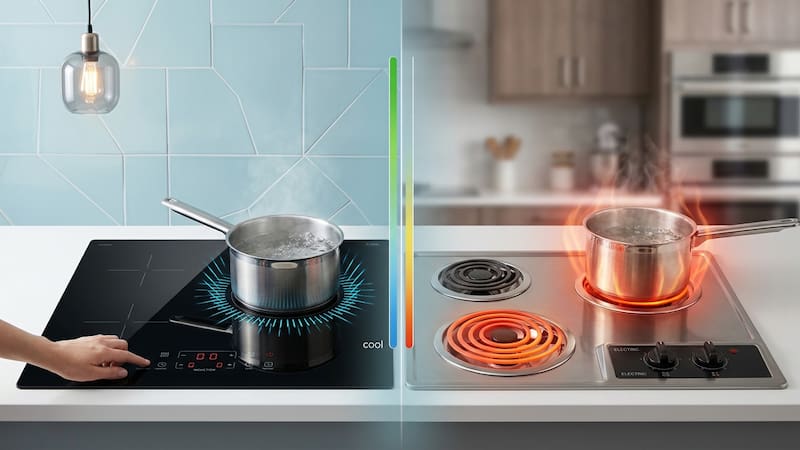
When choosing a new cooktop, the decision often comes down to two popular electric cooking options: induction and conventional electric.
Although they can look quite similar, the way they produce and transfer heat is very different, and that can affect cooking speed, energy consumption, safety and even which pots and pans you can use.

How induction cooktops work
Induction cooktops use electromagnetic energy to heat the cookware directly. Coils beneath the glass surface create a magnetic field that interacts with compatible pots and pans, generating heat inside the cookware rather than heating the burner first.
That direct transfer is one of the biggest advantages of induction cooking. It allows cookware to heat rapidly and gives the user faster control when increasing or lowering the temperature.
Another advantage is energy efficiency. Induction cooktops can transfer a greater proportion of the energy directly to the cookware than conventional electric models, which can make them more efficient for everyday cooking.
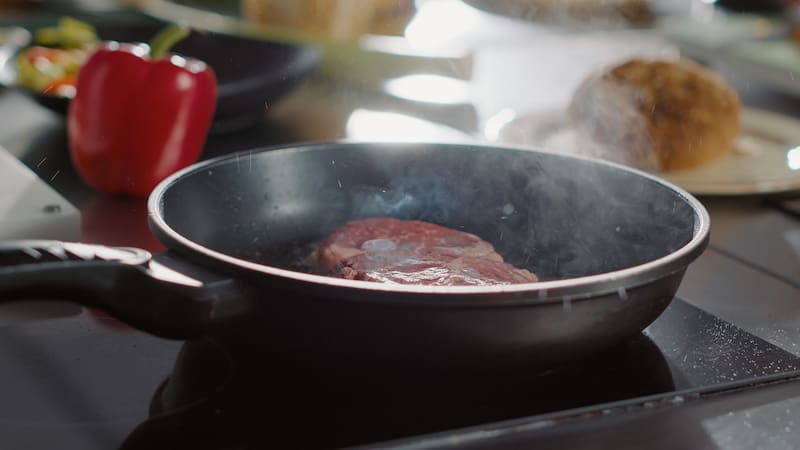
Induction surfaces can also be easier to clean because they are flat and smooth. Since the cooking surface itself does not become as hot as a conventional electric burner, spills are less likely to bake onto the glass.
The drawbacks of induction
The biggest limitation is cookware compatibility. Induction requires pots and pans containing magnetic materials, such as cast iron or certain types of stainless steel. Aluminum, copper and some other cookware will not work unless specifically designed for induction.
The initial cost can also be higher than that of a conventional electric cooktop. If a kitchen does not already have the appropriate electrical setup, installation requirements should be checked before purchasing a new appliance.
How conventional electric cooktops work
Traditional electric cooktops use heating elements beneath or within the cooking surface. The element becomes hot first, and that heat is then transferred to the cookware.
This system is straightforward and works with a much broader range of cookware. That makes conventional electric models particularly convenient for households that already own a variety of pots and pans and do not want to replace them.
Cost is another major advantage. Electric cooktops are generally less expensive upfront, making them an attractive option for homeowners who want a functional replacement without making a larger initial investment.

Electric vs. induction: the main differences
Cooking speed
Induction has the advantage in cooking speed because it transfers energy directly into the cookware. Conventional electric models need to heat the element before the pan reaches the desired temperature, which can make them slower to respond.
Temperature control
Induction also provides quicker temperature control. When the setting changes, the cookware responds rapidly because the heat is generated directly in the pan.
With conventional electric cooking, the heated element retains heat after the setting is lowered, so the temperature change can take longer to reach the food.
Energy efficiency
If energy efficiency is a priority, induction has the edge. Its direct method of transferring heat means less energy is lost between the heating element and the cookware.
The actual savings on an individual household’s electricity bill will depend on cooking habits, electricity rates and how frequently the cooktop is used.
Safety
Induction cooking offers an additional safety advantage because the cooktop does not heat in the same way when compatible cookware is absent. The surface also generally remains cooler than a conventional electric element after cooking.
Conventional electric cooktops can remain hot after the heating element is switched off, although many models include automatic shutoff features.
Cleaning
Both types can have smooth glass surfaces, but induction cooktops generally have an advantage because less residual heat reaches the surface. That can make cleaning spills easier and reduce the chance of food becoming baked onto the cooktop.

Which cooktop should you choose?
For households that prioritize speed, temperature control, energy efficiency and easy cleaning, induction is generally the stronger choice. Its main disadvantages are the higher initial cost and the need for compatible cookware.
Conventional electric is a better fit for shoppers who want to spend less upfront, use virtually any cookware and keep the installation simple. It may not match induction in speed or efficiency, but it remains a practical and familiar option.
Ultimately, there is no single choice that works for every kitchen. The right cooktop depends on how much you cook, what cookware you already own, your budget and whether reducing energy consumption is important to you.