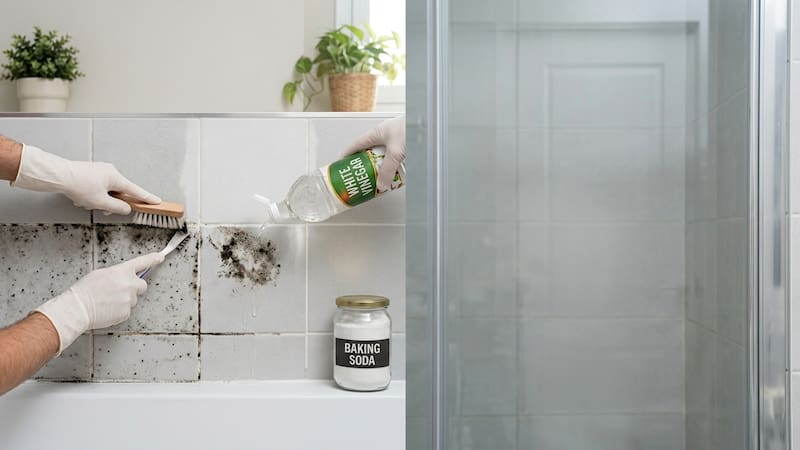

En esta noticia
Mold can appear in the shower surprisingly quickly, especially when the bathroom has high humidity and poor ventilation. Small dark spots on tile, grout or other surfaces may seem harmless, but allowing mold to remain can contribute to allergic reactions, respiratory problems and other irritation.
The good news is that small areas of mold can often be treated at home with a few basic household products. However, larger infestations are better handled by professionals.

Why does mold grow in the shower?
Bathrooms provide almost everything mold needs to thrive: moisture, humidity and limited airflow. After a hot shower, water remains on walls and other surfaces, creating an environment where mold can develop.
Common types found in bathrooms include Cladosporium, Penicillium, Aspergillus and Stachybotrys, commonly referred to as black mold.
Before cleaning, it is important to protect yourself. Wear gloves and a mask, open windows or doors when possible, and turn on the bathroom exhaust fan to improve ventilation.
The hydrogen peroxide method
One of the methods recommended for removing shower mold involves hydrogen peroxide, which can help break down mold through oxidation.
To try this method:
- Mix equal parts warm water and hydrogen peroxide in a spray bottle.
- Apply the solution directly to the moldy areas.
- Allow it to sit for at least 20 minutes and up to an hour.
- Scrub the affected surfaces with a brush.
- Rinse with warm water.
- Dry the area thoroughly with a clean microfiber towel.
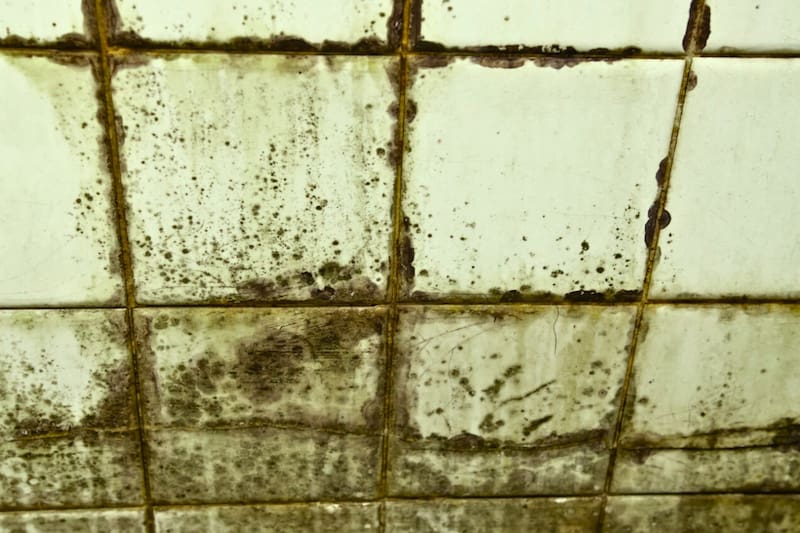
The key is not simply to spray the affected area and leave it wet. Removing the moisture afterward is essential because excess water can encourage new mold growth.
White vinegar is another option
For people who prefer a household cleaning solution, white vinegar is another method recommended by the source.
The procedure is similar:
- Combine equal parts warm water and white vinegar.
- Spray the mixture onto the mold.
- Let it sit for 20 minutes to one hour.
- Scrub the affected areas.
- Rinse with water.
- Apply the solution again and allow the surface to air-dry.
The acidity of vinegar can help attack mold and discourage it from continuing to grow.
Never mix vinegar with bleach or other cleaning products, as dangerous chemical reactions can occur.
Don’t forget the showerhead
The showerhead can also become a place where mold develops because it is constantly exposed to water, humidity and, in some areas, minerals in the water supply.
To clean it, experts recommends placing a plastic bag filled with equal parts warm water and white vinegar around the showerhead and securing it with rubber bands.
Leave the solution in place for approximately one hour, then remove the bag, rinse the showerhead with warm water and dry it with a microfiber towel.
How to stop mold from coming back
Removing existing mold is only part of the process. The most important step is reducing the conditions that allow it to return.
A weekly cleaning routine can help keep mold under control. After every shower, wiping down wet surfaces and removing excess moisture can also make a significant difference.
Ventilation is equally important. Run the bathroom exhaust fan while showering and consider leaving the door open afterward to allow humidity to escape.
Another recommendation is to keep indoor bathroom humidity below 50%. If ventilation alone isn’t enough, a dehumidifier can help lower moisture levels.