En esta noticia
In Colombia, sanitation experts recommend checking the type of installation before deciding where to dispose of toilet paper. What works in a modern building does not always apply to a house with a septic tank or old networks.
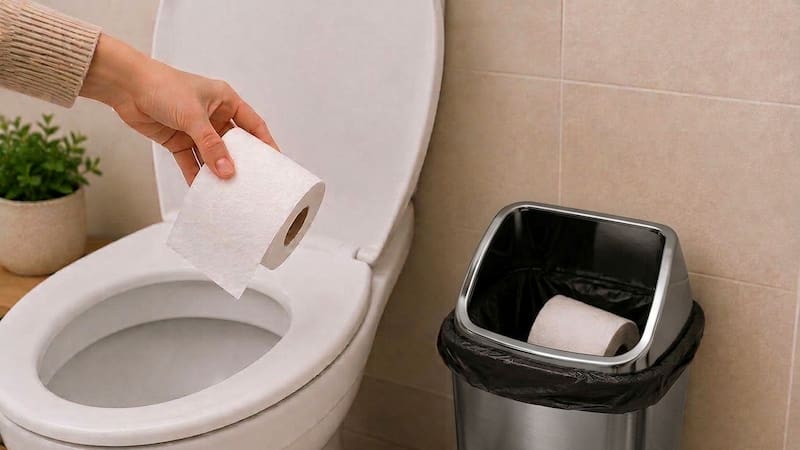
The question of whether toilet paper should go in the toilet or in the trash continues to raise doubts in thousands of Colombian households.
Although many people grew up with the habit of using a bin, sanitation specialists agree that, when the sewage system is designed for it and the paper is biodegradable, the correct option is usually to flush it down the toilet.
The recommendation seeks to avoid the buildup of contaminated waste inside the bathroom and reduce bad odors.
In cities with modern sewage networks, toilet paper is made to break down quickly when it comes into contact with water. For that reason, public utility companies and plumbing experts usually indicate that used paper should be flushed down the toilet and not stored in an open wastebasket.
Keeping used toilet paper in a bin can encourage the spread of bacteria, bad odors, and insects, especially in small bathrooms or those with poor ventilation.
Is it better to throw toilet paper in the toilet or in the trash?
The answer depends on the sanitation infrastructure of the place. In general terms, if the home is connected to an adequate sewage system and the toilet paper breaks down quickly, it is recommended to flush it down the toilet.
Specialists explain that ordinary toilet paper breaks down much faster than other hygiene products. That is why it should not be confused with wet wipes, makeup remover wipes, panty liners, or thick napkins, which can cause blockages.
By contrast, in rural homes or houses with a septic tank, the recommendation may vary depending on the system’s capacity and the maintenance it receives.
Why do they recommend doing it only one way?
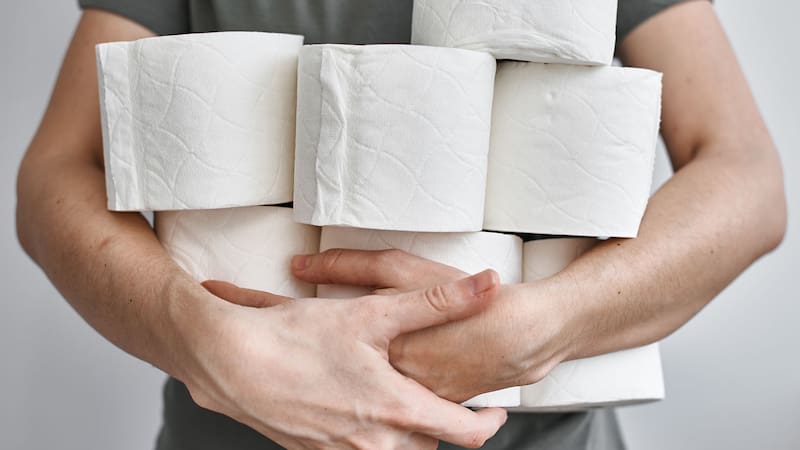
The main recommendation points to hygiene and proper waste management. When the sanitation system is prepared to receive toilet paper, sending it down the toilet prevents the material from remaining exposed inside the bathroom.
These are the reasons most cited by experts:
- Reduces bad odors.
- Decreases contact with biological waste.
- Prevents the buildup of bacteria in the bin.
- Reduces the presence of flies or other insects.
- Makes bathroom cleaning easier.
For that reason, in suitable installations, the recommendation is usually clear: toilet paper in the toilet and not in the trash.
When is it not advisable to throw toilet paper in the toilet?
There are situations in which it may indeed be better to use a lidded bin:
- Homes with a small septic tank.
- Old or deteriorated sanitation networks.
- Pipes with a small diameter.
- Rural areas without sewage.
- Systems that experience frequent blockages.
If the toilet clogs frequently, the most prudent thing is to consult a plumber or check the condition of the network before continuing to flush paper.
What happens if too much toilet paper is flushed?
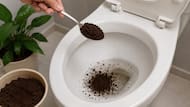
Even in modern systems, an excessive amount can cause blockages. Experts recommend flushing moderate amounts and making more than one flush if necessary.
Warning signs are:
- The water rises more than normal.
- The toilet flushes slowly.
- Gurgling sounds are heard in the pipe.
- Persistent bad odors appear.
What waste should never go in the toilet?
Although many people think they are “disposable,” these products are not designed to break down quickly:
- Wet wipes.
- Baby wipes.
- Sanitary pads.
- Tampons.
- Panty liners.
- Cotton.
- Dental floss.
- Thick napkins.
- Paper towels.
These items are one of the main causes of blockages in homes and sewage networks.