
En esta noticia
Stews are one of the most popular dishes for eating well, abundantly, and economically. However, there is a little-known home trick that can be incorporated into the preparation, and that many people have started using to enhance the flavor and improve the use of certain nutrients.
The main ingredient is one that practically everyone has at home: vinegar. Although it is usually associated with salads and dressings, its acidity can serve an interesting function when added to preparations with legumes, especially lentils.

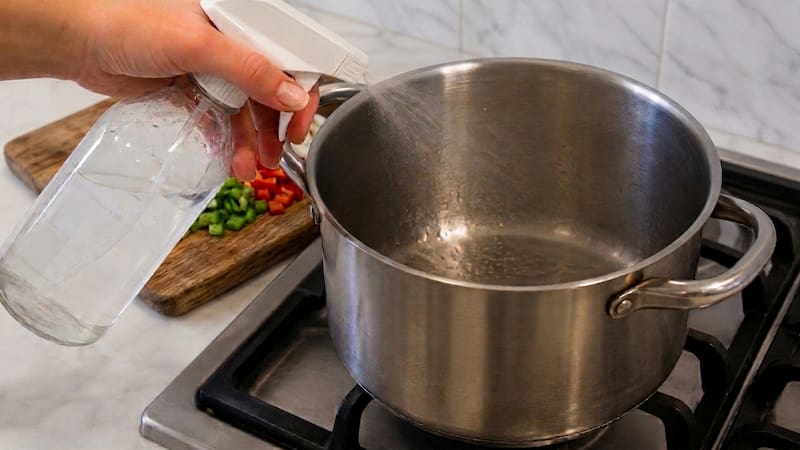
Sprinkling vinegar in the pot and then making the stew: why they recommend it
The main reason is related to the acidity of vinegar. By adding it to a legume preparation, it can slightly modify the cooking medium and help certain minerals present in the food become more usable.
Lentils, for example, contain plant-based iron, whose absorption by the body is lower than that of iron found in foods of animal origin.
For this reason, some nutrition specialists recommend accompanying legumes with ingredients that provide acidity or vitamin C, such as tomatoes, bell peppers, or citrus fruits.
Vinegar in the pot: the trick to remove grease and burned residue

Before preparing a stew, sprinkling a small amount of vinegar on the pot can help loosen grease and dirt residue that may have stuck from previous preparations.
Its acidity makes it a home remedy used to degrease and make cleaning easier different kitchen surfaces.
The key is to make sure the pot is very clean before you start cooking. This way, you avoid burned leftovers or residues from previous meals mixing with the new ingredients and ending up altering the flavor, aroma, or appearance of the stew.
The vinegar trick for lentils and other stews
This method is particularly well known in the preparation of lentil stews. The idea is not to add a large amount of vinegar, but to coat the pot with a small amount to add acidity and balance the dish.
Beyond its possible contribution to iron use, vinegar can modify the stew’s flavor profile.
A small amount can provide an acidic contrast that helps balance preparations with fatty ingredients or strong flavors.
A simple detail to improve the flavor of the stew
Vinegar can also be used as a culinary resource. Its acidity helps balance flavors and can bring a fresher sensation to dishes that take a long time to cook.
This is especially useful in stews that contain meat, sausages, potatoes, or legumes, where the flavors can be heavier.
The key is to use it in moderation: the goal is not for the dish to taste strongly of vinegar, but to achieve a small acidic contrast that accompanies the rest of the ingredients.