
En esta noticia
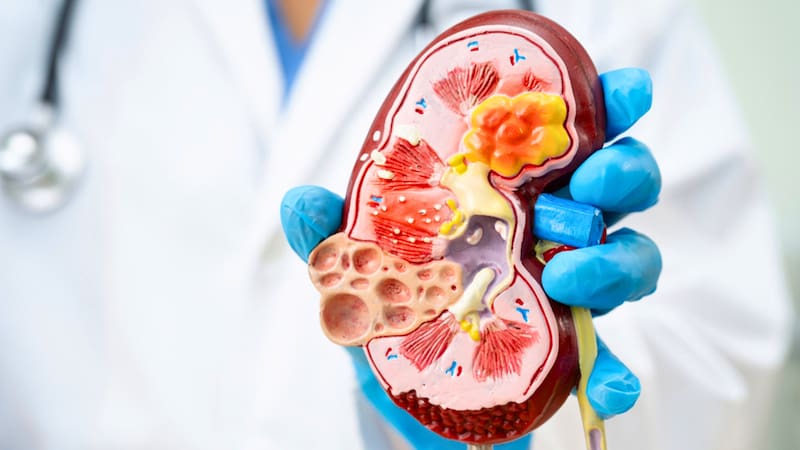
Kidney health is generally underestimated until the first symptoms appear; however, the kidneys play a crucial daily role in maintaining the body’s internal balance. Their function of filtering the blood, eliminating toxins, and regulating essential fluids and minerals is vital. When this system is compromised, the repercussions can have a far greater impact than mere urinary function.
Specialists agree on one fundamental point: daily diet stands out as one of the most decisive factors in the prevention and progression of chronic kidney disease (CKD).
Why the kidneys are essential for ensuring an adequate quality of life
Each kidney contains approximately one million nephrons, which are responsible for filtering the blood and returning essential nutrients to the body. When these units deteriorate, the body begins to retain waste and fluids, which can result in:
One of the greatest dangers is that kidney disease tends to progress silently. A considerable number of people suffer from it without knowing it, especially those with type 2 diabetes, obesity, or hypertension.
Nutrition, a key aspect of kidney health
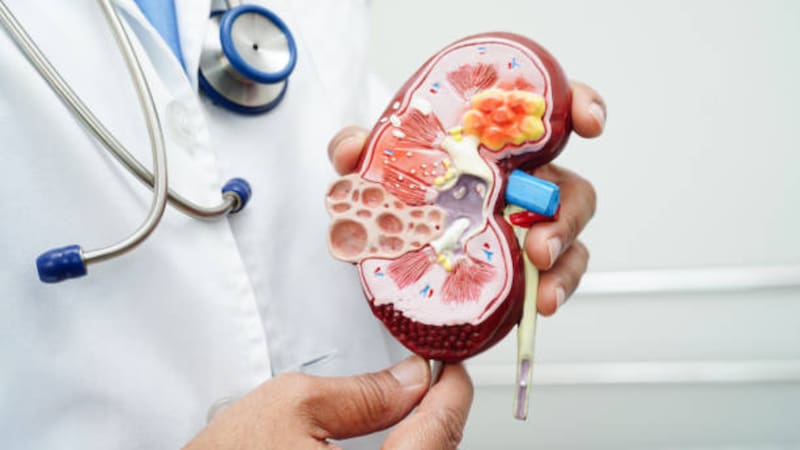
Recent research indicates that the type of diet has a significant impact on the risk of developing CKD and on its eventual progression. It is not limited only to the amount of food consumed, but it is also crucial to consider which foods make up the usual diet.
Excessive consumption of certain nutrients can overburden the kidneys and lead to accelerated deterioration of their function, even in individuals who do not yet have a formal diagnosis.
The three everyday food products that impact kidney function
1. Foods high in sodium
Sodium, found mainly in salt and ultra-processed products, is one of the main enemies of kidney function. Excessive consumption increases blood pressure and makes fluid regulation more difficult.
Foods such as frozen meals, processed meats, instant soups, and industrial snacks often exceed 1,000 mg of sodium per serving. For people at risk of kidney disease, daily intake is suggested to be limited to 1,500 mg.
2. Potatoes and other potassium-rich foods
Potatoes are a significant source of potassium, a mineral that healthy kidneys eliminate with ease. However, in patients with chronic kidney disease, potassium can build up in the blood and cause hyperkalemia, a condition that affects heart rhythm and muscle function.
Clinical studies have associated frequent potato consumption with elevated serum potassium levels in individuals with CKD, compared with other vegetables.
3. Added sugars and sugary drinks
High consumption of processed sugar is directly linked to obesity, insulin resistance, and increased uric acid, all factors that raise the risk of kidney damage.
Recent research indicates that people who regularly consume sugary drinks are more likely to develop chronic kidney disease, especially when they exceed seven servings per week.
How to preserve kidney health through nutrition
Some key recommendations include:
- Reduce consumption of salt and ultra-processed foods.
- Prioritize fresh and natural foods.
- Moderate the consumption of added sugars.
- Adjust mineral intake according to medical guidance.
- Have regular checkups if risk factors are present.