En esta noticia
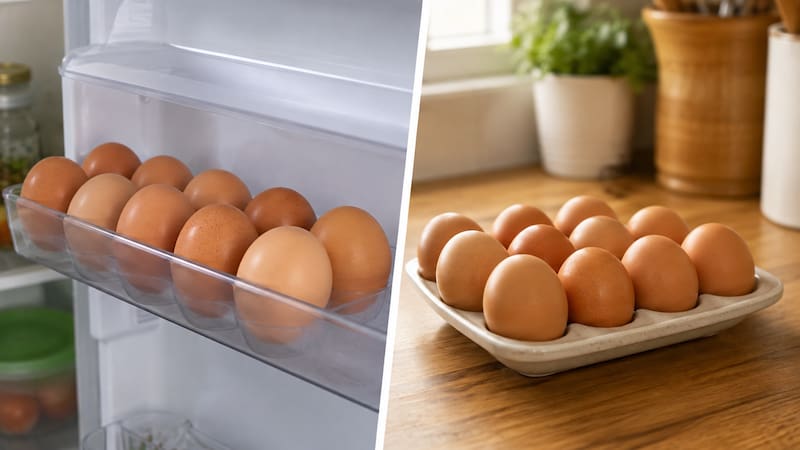
Specialists in food safety in the United States agree: eggs bought in supermarkets in the country should always be kept in the refrigerator. The main reason is that, before reaching store shelves, they go through a washing process that removes the shell’s natural protective layer.
Without that coating, known as “bloom” or cuticle, the shell becomes more porous and vulnerable to the entry of bacteria such as salmonella. Agencies such as the FDA and USDA stress that constant refrigeration is the main barrier of protection against contamination.

Why do eggs have to be kept in the refrigerator in the United States?
Unlike in other countries, where eggs are not washed and keep their natural protective layer, in the United States and Canada sanitizing is mandatory before sale. That washing, although it removes dirt and external bacteria, also leaves the shell more exposed.
That is why, the FDA recommends keeping eggs at 40°F (4°C) or below from the moment of purchase. According to the USDA, if that temperature is maintained, raw shell eggs can be kept in good condition for three to five weeks.
What happens if eggs are left out of the refrigerator?
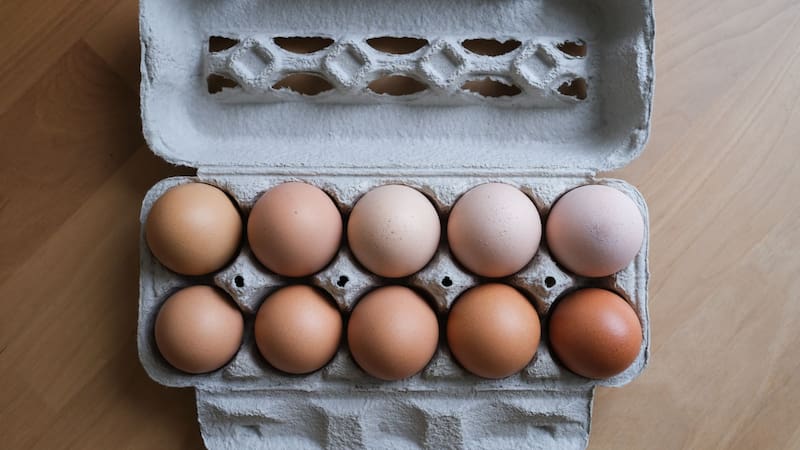
Taking eggs out of the refrigerator and not returning them in time also involves risks. Experts recommend not leaving foods containing eggs at room temperature for more than two hours, a window that shrinks to just one hour if the temperature exceeds 90°F (32°C).
In addition, moving a cold egg to a warm environment creates condensation on the shell, which makes the entry of bacteria easier. Before eating an egg if there are doubts about its freshness, it is recommended to carry out any of these simple checks:

How to tell if an egg is in good condition
- Water test: if it sinks and lies flat, it is fresh; if it floats, it should be discarded.
- Smell: a fresh egg has no smell; if it gives off a strong odor when opened, it is not safe to eat.
- Visual check: shells with cracks, spots, or a slimy texture are a sign of possible contamination.
If there is any doubt about the condition of an egg, experts recommend throwing it away rather than risking a case of food poisoning.