
En esta noticia
- Why the flatworm was introduced to samoa
- The problem was that it did not distinguish between species
- A predator native snails were not prepared to face
- It was not the only biological control attempt that went wrong
- The snail declines attracted scientific attention
- What samoa’s experience reveals about invasive species
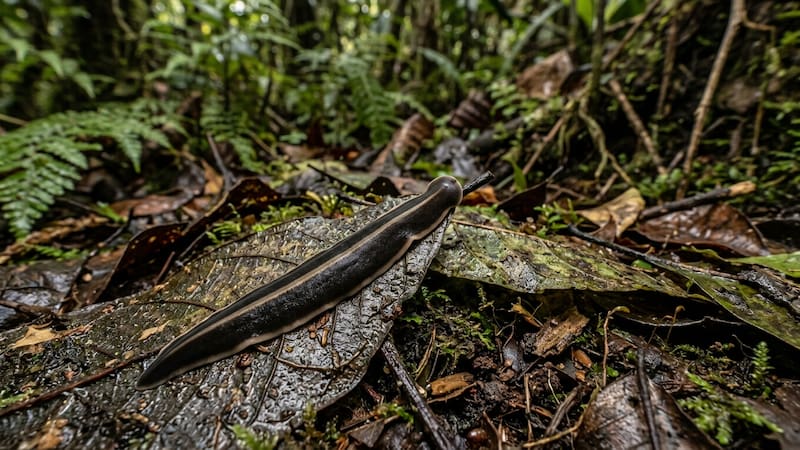
What began as an attempt to control an invasive pest eventually created another problem for a highly vulnerable ecosystem. In the 1990s, a predatory flatworm was introduced in Samoa as a biological control agent against the giant African snail, a species that was damaging crops and spreading across Pacific islands. The solution, however, had an unexpected consequence.
The New Guinea flatworm, scientifically known as Platydemus manokwari, did not restrict itself to the invasive snails it was meant to target. It also preyed on native snail species, many of which had evolved without defenses against this new predator.
Over time, the flatworm was linked to the decline of several native land snail populations and to extinctions reported on Pacific islands.
Why the flatworm was introduced to samoa
The original problem was the giant African snail, scientifically known as Achatina fulica or Lissachatina fulica.
The invasive species can grow to a substantial size and poses a threat to agriculture because it feeds on a wide range of plants. Across the Pacific, authorities looked for biological methods to reduce its populations.
The New Guinea flatworm appeared to be a potential solution. It is a predator of snails and had already been considered as a biological control agent against invasive species.
In Samoa, Platydemus manokwari was introduced as part of efforts to control the giant African snail. Later research documented introductions on Savai’i during 1996–1998 and 2001, while the flatworm was already present on Upolu by the late 1990s.
The problem was that it did not distinguish between species
The major problem emerged when the predator began attacking snails that were not supposed to be part of the control effort.
The New Guinea flatworm is a generalist predator, meaning it is not dependent on a single species for food.
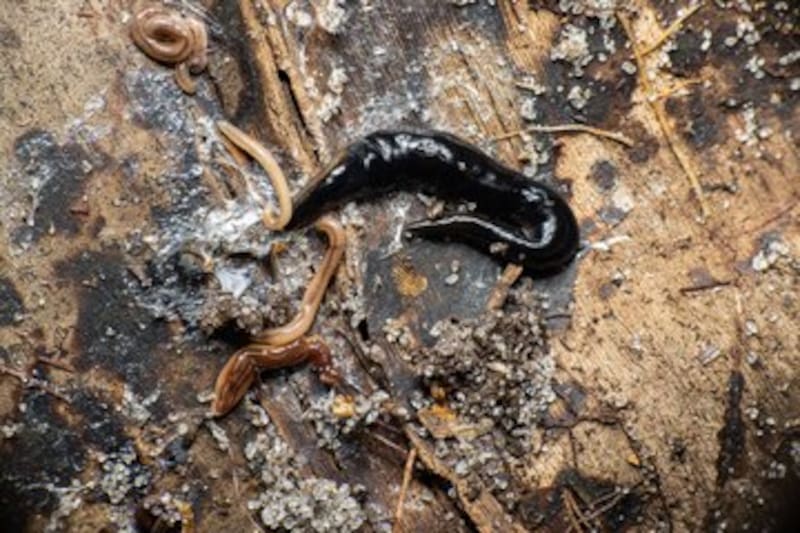
It can also move across the ground and climb vegetation, allowing it to reach native tree-dwelling snails.
The U.S. Fish and Wildlife Service has identified Platydemus manokwari as a threat to native land snails and noted that the disappearance of some snail species on Pacific islands has been attributed to this predator.
A predator native snails were not prepared to face
Native Pacific island species evolved over long periods without encountering certain types of terrestrial predators.
The arrival of a predator capable of locating and consuming these snails disrupted that ecological balance.
Researchers observed declines in partulid tree snail populations in areas where the flatworm was present. The problem was particularly serious because the predator could climb trees and reach species that were not protected simply by living above ground level.
Samoa therefore became an example of the potential risks involved in introducing one species to control another invasive species.
It was not the only biological control attempt that went wrong
The Samoa episode is part of a much larger history of attempts to control the giant African snail using predators.
Other Pacific islands also introduced predatory snails, including species from the genus Euglandina, with the same goal.
The problem was similar: the predators did not always focus on the invasive species they were intended to control.
A scientific review of biological control programs in the Pacific concluded that some of these predators failed to adequately control giant African snails and instead became an important factor in the decline and extinction of numerous endemic land snail species.

The snail declines attracted scientific attention
Island land snails are particularly vulnerable because many species have extremely limited geographic ranges.
A species found only on one island — or even within a small portion of that island — can face an immediate crisis when a new predator arrives.
In the case of the New Guinea flatworm, multiple studies documented declines in native snails in areas where the predator was present. The U.S. Fish and Wildlife Service has identified Platydemus manokwari as a threat to specific snail species in American Samoa.
However, scientists caution that not every disappearance of Samoan snails can be attributed exclusively to the flatworm.
Research has found that some populations were already declining before certain introductions of the predator, while other factors, including habitat changes, may also have contributed.
What samoa’s experience reveals about invasive species
The case illustrates one of the major risks associated with biological control: introducing a species to fight a pest can create a new ecological imbalance if the organism does not remain focused on its original target.
The initial goal was to reduce an invasive species that threatened agriculture. But once the predator entered the ecosystem, it interacted with a much wider range of organisms.
The consequences can be especially serious on islands with large numbers of endemic species.
An organism that causes little damage in its native environment can become a powerful predator after being introduced somewhere its potential prey evolved without defenses against it.