
En esta noticia
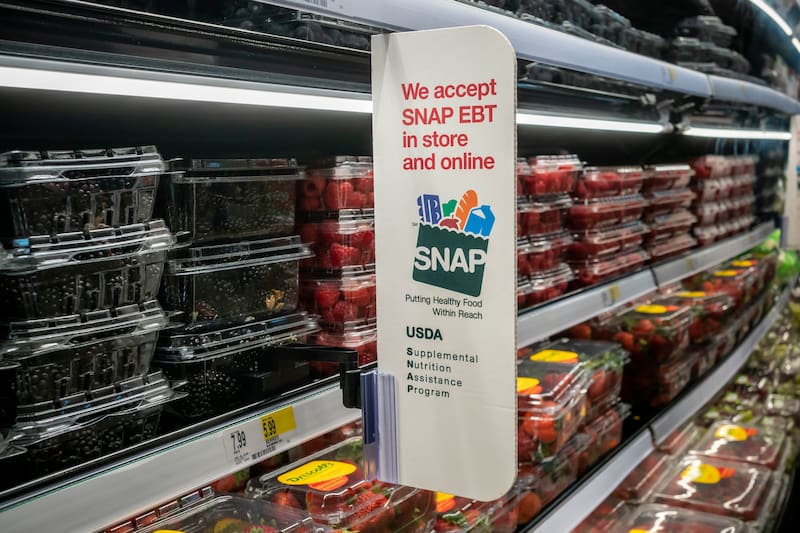
The United States Department of Agriculture (USDA) published a final rule that changes the requirements for stores authorized to accept SNAP benefits. Starting in September 2026, those stores will have to offer seven varieties of products in four basic categories — proteins, grains, dairy, fruits and vegetables — or they will lose approval to accept EBT cards.
The change hits snacks and ultra-processed foods directly: the rule eliminates the legal loopholes that allowed them to be counted as essential foods. Stores that do not comply will lose authorization, which will reduce the options available to beneficiaries.
What products cannot be bought with the EBT card?
The new regulation strengthens existing restrictions. With the EBT card, alcoholic beverages, cigarettes, and tobacco products cannot be bought, nor can foods or drinks with cannabis or CBD. Vitamins, medicines, and supplements are also excluded: if a product has a Supplement Facts label, it is not eligible.
Live animals are also excluded — except for shellfish or fish removed from the water — as well as any hot food at the time of purchase. The full list of ineligible items includes:
- Pet food
- Cleaning products and household items
- Paper and disposable items
- Personal hygiene products
- Cosmetics and beauty products
How does this measure affect SNAP beneficiaries?
The most direct effect will be on convenience stores and small businesses that had been meeting the minimum requirements with low-nutritional-value products. Now they will have to add more fresh and perishable foods, or lose approval.
Since the start of the Trump administration, the USDA has already taken action against nearly 3,200 stores for failing to meet the current standards. The new rule expands those requirements and foreshadows a reduction in the number of authorized outlets, especially in areas with few alternatives. The agency will publish additional guidance for stores in the coming weeks.