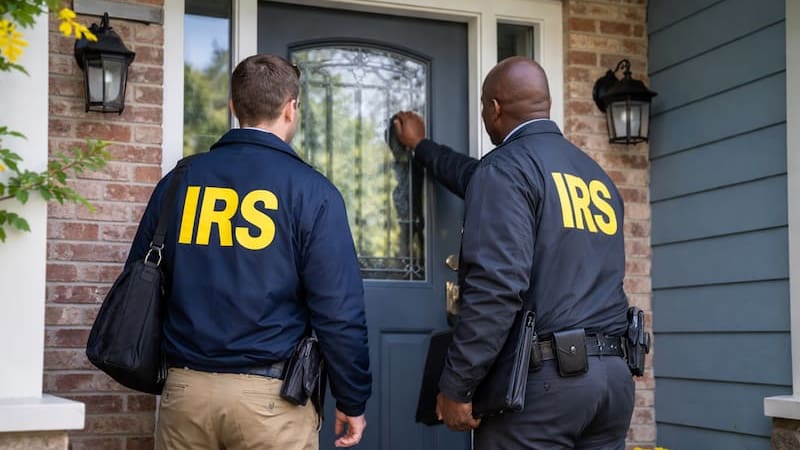

En esta noticia
The Internal Revenue Service (IRS) uses various contact methods to monitor tax procedures and obligations, some of which may include in-person meetings. Although the usual practice is communication by mail, there are circumstances that lead to more direct procedures.
This has raised concerns about IRS visits to taxpayers’ homes and about which individuals and families could be subject to a home verification. The official guidelines specify the cases in which this is carried out.

Why will the IRS make home visits to certain individuals and families?
The in-person visits are uncommon and are carried out when previous notices have gone unanswered or when it is necessary to confirm information at the home. The agency begins the process by correspondence and only moves to this stage in audits, collections, or investigations.
The IRS says that only four categories of employees are authorized to make home visits: revenue agents, revenue officers, special agents, and fuel inspectors, all properly identified with official credentials.
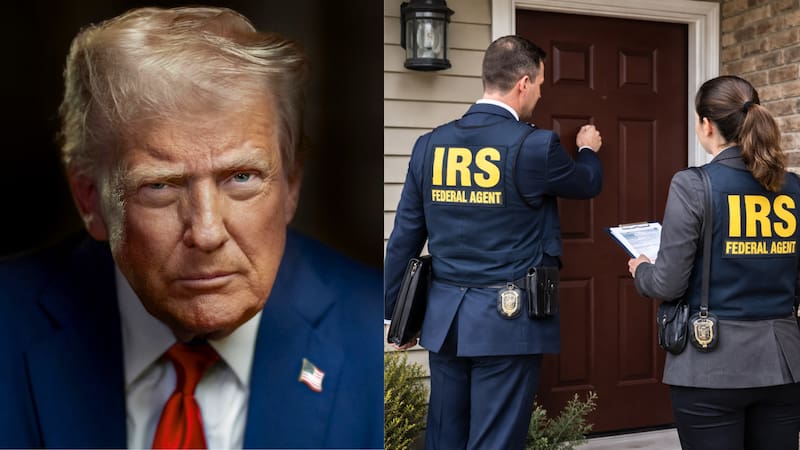
What actions should individuals and families take if the IRS shows up at their home?
The first step is to verify the letter sent before the visit to confirm that it matches the stated reason. The IRS clarifies that it never requests payments through unauthorized methods or uses social media to contact taxpayers.
To verify the legitimacy of the visit: The agent must present an ID card that includes a photo and serial number. Payments, if applicable, are made only to the United States Treasury. Gift cards, immediate banking information, or unusual transfers should not be requested. If in doubt, it is advisable to contact the official number indicated in the letter or directly call 911.