
En esta noticia
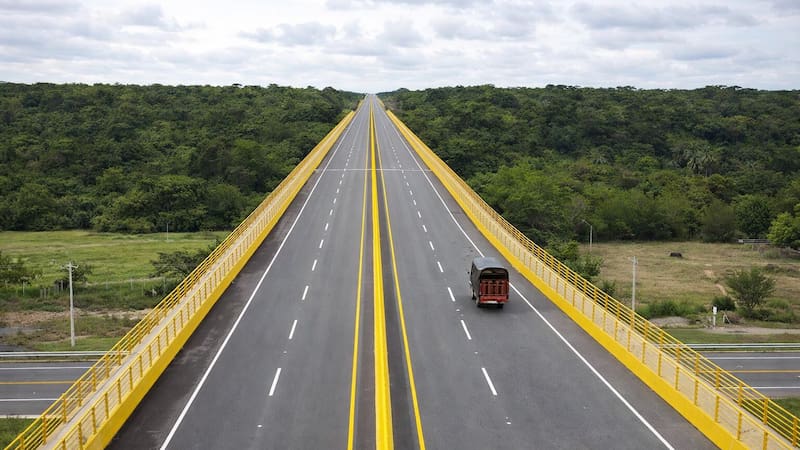
Colombia has achieved a notable structural advance, transforming its economy, logistics, and the daily lives of millions. The 4G routes in this country are redefining the concepts of mobility, production, and territorial connection in the 21st century.
These highways are more than simple fast transit routes; they are part of a comprehensive transformation of infrastructure in Latin America, which combines complex engineering, private investment, and ambitious state planning.

4G Routes: what they are and why they mark a turning point
Today, a trip that previously took eight hours can be completed in less than four, which has a direct impact on tourism, agricultural production, industry, and freight transport.
Unlike traditional routes, these roads are designed to reduce logistics times, increase road safety, and promote both domestic and foreign trade.

The Fourth Generation Highways (4G) are a infrastructure program aimed at the comprehensive modernization of Colombia’s road system. This program includes:
- Dual carriageways with high capacity
- Long tunnels in mountainous areas
- Viaducts that cross valleys and rivers
- Intelligent traffic management systems
The strategy that positioned Colombia as a regional benchmark in road infrastructure
For more than a decade, the Colombian state has been promoting one of the most ambitious infrastructure programs in Latin America. The goal was clear from the beginning: to move from a country fragmented by its geography to one connected by efficient logistics corridors.
The project includes thousands of kilometers of new toll roads, connecting ports, productive centers, intermediate cities, and borders. The result is a network that not only links territories, but also reduces costs, lowers accidents, and speeds up regional development.

What sets these routes apart from the rest of Latin America
The 4G routes in Colombia are characterized by three fundamental factors:
1-Focus on sustainability and safety
The designs include wildlife crossings, environmental controls, and layouts that reduce road accidents, a long-standing problem in the region.
2-Integrated technology
They incorporate sensors, cameras, traffic control centers, and effective response systems for accidents or congestion.
3-Design with international standards
It is not limited to simple paving; it involves building roads with safe curves, modern signage, strategic lighting, and controlled access points.
Economic and social impact of 4G road infrastructure
The impact goes beyond mere vehicle traffic. The 4G highways are:
- Boosting domestic trade
- Facilitating exports from remote productive areas
- Attracting foreign investment
- Generating direct and indirect employment
- Integrating historically isolated regions