
Por Magalí Schefer
En esta noticia
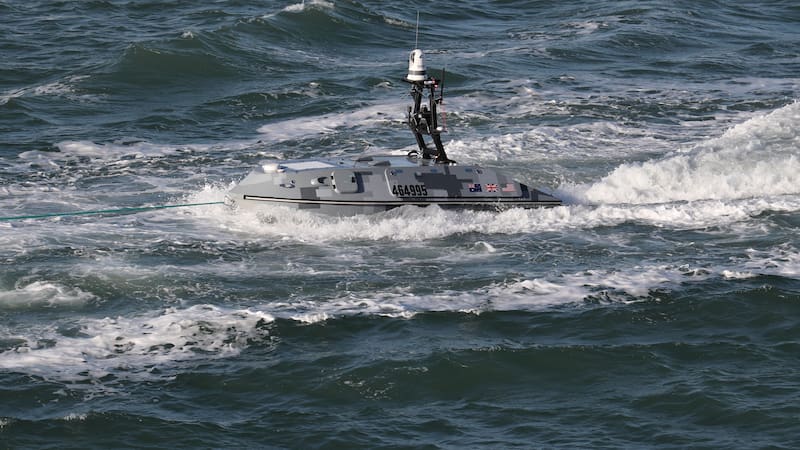
The United States Navy announced the acquisition of 30 medium unmanned surface vessels (MUSV) after three companies passed the first phase of sea trials.
The program includes production contracts for Galliano Marine Services, HII and Saronic Technologies and expects to deliver the first operational units before the end of fiscal year 2027.
How much the autonomous vessels cost
The production contracts were distributed among three companies, each responsible for supplying ten unmanned surface vehicles. According to the Navy’s announcement, each agreement carries an average cost of $40 million per unit.
The reference value for the 30 units amounts to $1.2 billion. It should be noted that this figure corresponds to the calculation of the reported unit cost multiplied by the planned quantity, not to the total confirmed value of the contracts.
The Navy also reported that Leidos, PAC MAR and Sea Machines will complete the work planned under their prototype development agreements. These companies will receive a $15 million grant, according to established terms.
Features of the U.S. Navy MUSV vessels
MUSVs are unmanned surface vehicles designed to travel over water without needing to carry sailors on board. Their function is to expand the Navy’s operational capabilities and allow commanders to have platforms adaptable to different maritime scenarios.
Among the capabilities assessed during the trials are environmental awareness, autonomous navigation, and the ability to carry out prolonged missions.
The vessels are also designed to incorporate different equipment according to the needs of each operation, including sensors, autonomous systems, and payloads related to military missions.
When will the first vessels arrive?
The Navy expects to receive the first MUSV units before the end of fiscal year 2027. The schedule marks:
- The start of a stage in which the program will have to move from prototype testing to the delivery of vessels intended to expand the fleet’s capabilities.
- Second phase focused on the integration and testing of multiple unmanned surface vehicles. To move forward, the institution issued a call on September 23. The goal is to expand the pool of available suppliers and diversify procurement options for future needs.