
En esta noticia
When traveling internationally, one of the key points that citizens, naturalized foreigners, and visitors must consider is that the passport with which they will enter and leave the United States remains valid under the criteria of the competent authorities.
Although keeping it valid is essential in these cases, many times it is not enough for it to be current when traveling; other requirement standards must also be checked regarding this point and the physical condition of the document, since failing to meet the standards can cause inconveniences with airlines and different agents.

Key information for the entry and exit of citizens and naturalized foreigners
Federal regulations require that a valid document be presented and, in the case of naturalized citizens, that they enter using their U.S. passport, regardless of whether they have another one from their country of origin.
Presentation of a document in good condition is also required, since those showing severe damage, large stains, and other serious tears -such as torn visa pages- cannot be used for this type of travel.
On the other hand, USA.gov advises checking, depending on the destination you want to travel to, how much validity the passport must have: “Some countries and airlines may deny you entry if your passport expires in less than 6 months,” it states.
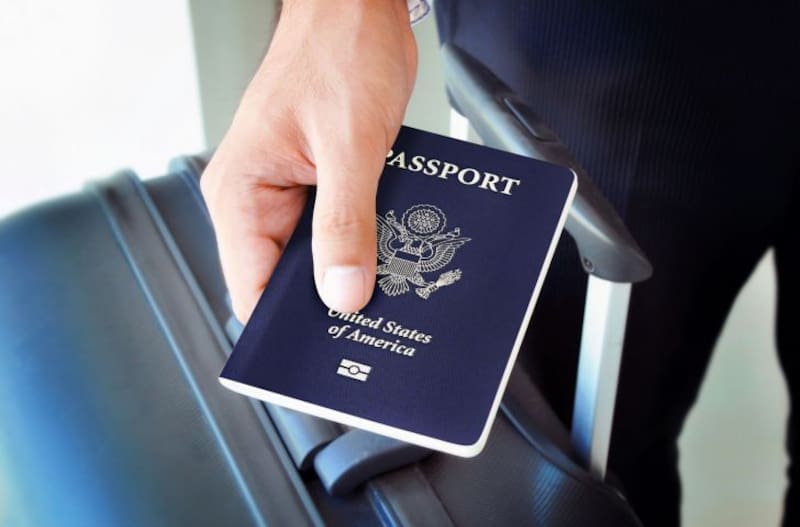
What is the maximum validity of a U.S. passport?
Adult U.S. passports have a maximum validity of up to 10 years, while in the case of those under 16, the documents cannot be renewed and are valid for 5 years.
Essential information for visitor entry into the United States
In these cases, for travel to the country to be authorized, as a general rule the United States requires a validity of 6 months beyond the initially planned travel period.
If the passport presented was processed so far in advance that it does not meet the six-month requirement, it will not be considered valid when applying for the visa to travel.

Important points about this passport rule
CBP keeps the list of countries that are exempt from complying with this regulation up to date on its official website. In the case of these nations, they only need to present a valid passport during their stay.
Latin American countries included in the list
- Argentina
- Bolivia
- Brazil
- Chile
- Colombia
- Costa Rica
- El Salvador
- Guatemala
- Haiti
- Mexico
- Nicaragua
- Panama
- Paraguay
- Peru
- Dominican Republic
- Uruguay
- Venezuela
The complete and updated list of countries that do not have to follow this rule can be consulted by clicking here.
In addition, to avoid any inconvenience when leaving the country, travelers must preserve the physical integrity of their document to avoid delays and complications.