
En esta noticia
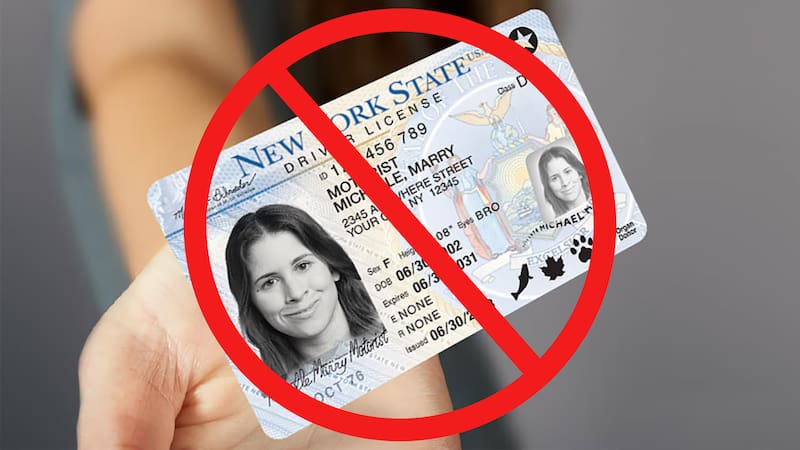
The United States federal government is moving ahead with new restrictions for people who cannot prove a legal immigration status when applying for certain commercial driver’s licenses. The measure affects truck drivers, bus drivers, and other heavy-vehicle operators.
The regulation promoted during President Donald Trump’s administration requires states to verify immigration status before issuing or renewing these special permits. Some states have already begun canceling licenses and blocking new applications.
New federal rule on commercial licenses
The Federal Motor Carrier Safety Administration (FMCSA) and the Department of Transportation issued a directive on February 13 to tighten immigration checks linked to commercial licenses.
The provision establishes that states may only issue these permits to people with a verifiable immigration status related to legal employment in the United States.

The regulation is aimed especially at the so-called non-domiciled commercial licenses, known as non-domiciled CDL. These permits were used by temporary non-citizen residents.
Which states have already begun applying restrictions
The response from the states began to vary according to each jurisdiction. Oregon adopted one of the strictest positions and suspended the issuance and renewal of commercial licenses for temporary non-citizen residents.
Indiana went even further and canceled around 1,800 commercial licenses that had already been previously issued to non-citizens.
California, on the other hand, is facing a lawsuit that for now stops the mass revocation of existing permits. In that state, there are nearly 20,000 commercial licenses linked to residents with temporary immigration status.

Who could be affected by the measure
The restrictions could affect different groups of drivers with temporary immigration permits.
- Asylum seekers with valid work authorization.
- Recipients of the DACA program.
- Holders of temporary work visas.
- Temporary non-citizen residents in states with stricter controls.
The policy is also part of a broader immigration crackdown driven by Trump, who called for legislation that would ban states from issuing commercial licenses to immigrants without legal status.
The legal debate will continue in the coming weeks, and the California case could become a key precedent for other states in the country.