En esta noticia
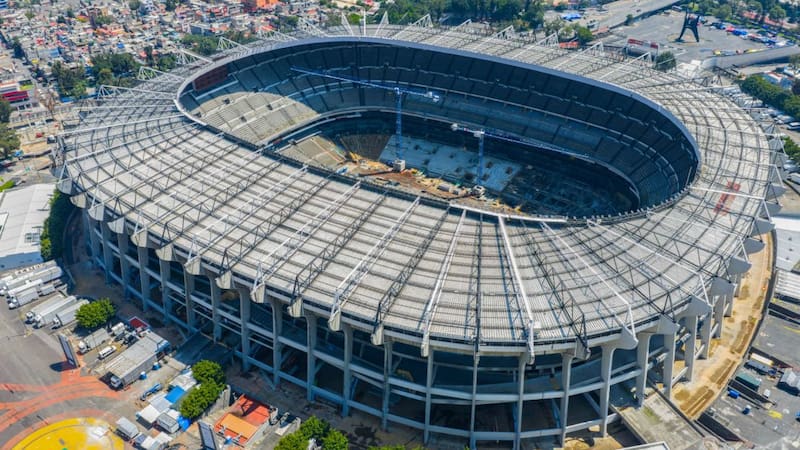
One of the planet’s most iconic stadiums is undergoing a historic transformation to become one of the great architectural jewels of world football. The renovation aims to completely modernize the spectator experience and position the venue as one of the star venues of the upcoming World Cup.
They are remodeling the most emblematic stadium in Latin America
This is the Azteca Stadium in Mexico City, which is being renovated to host matches of the 2026 FIFA World Cup. This venue holds a unique place in the history of sports because:
- It hosted two World Cup finals
- Figures such as Pelé and Maradona were seen playing there
- It is one of the most emblematic venues in world football
With the renovation, it will seek to combine history and state-of-the-art technology.
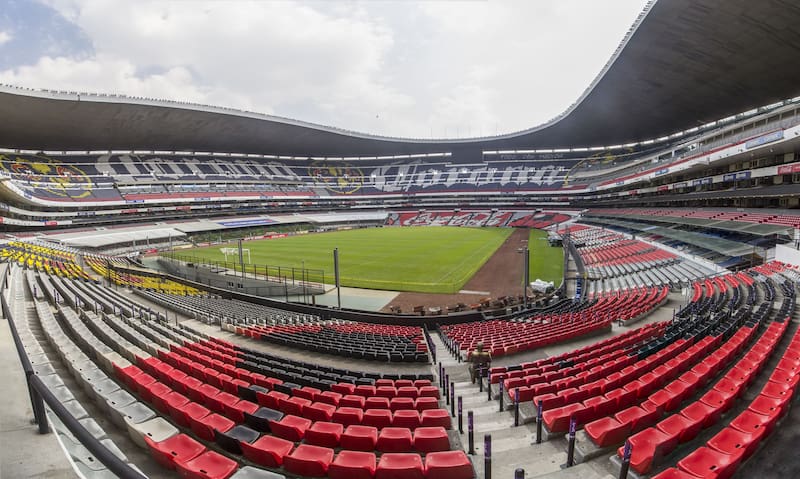
They are turning the Azteca into a state-of-the-art super stadium
The works include a comprehensive renovation of the stands, access points, VIP areas, and technological systems of the stadium. The project also includes major visual and digital modernization to adapt it to FIFA’s most advanced standards.
One of the most striking changes will be the increase in capacity, since the stadium will exceed 87,000 spectators. In addition, it will incorporate more than 2,200 square meters of LED screens distributed throughout different areas of the venue.
The goal is to turn the Azteca into one of the most modern, technological, and impressive stadiums in the world ahead of the 2026 World Cup.
It will be one of the most advanced stadiums in the world
The project includes improvements inspired by the most advanced stadiums in the world, including:
- Renewed facade design
- Modern commercial and dining spaces
- Smart technology for spectator management
- Acoustic and visual improvements
The Azteca will be a key venue for the 2026 World Cup
Mexico will be one of the host countries along with the United States and Canada. The Azteca will be one of the most important stadiums in the entire competition. In addition, it will make history by becoming the first stadium to host matches in three different World Cups.