
En esta noticia
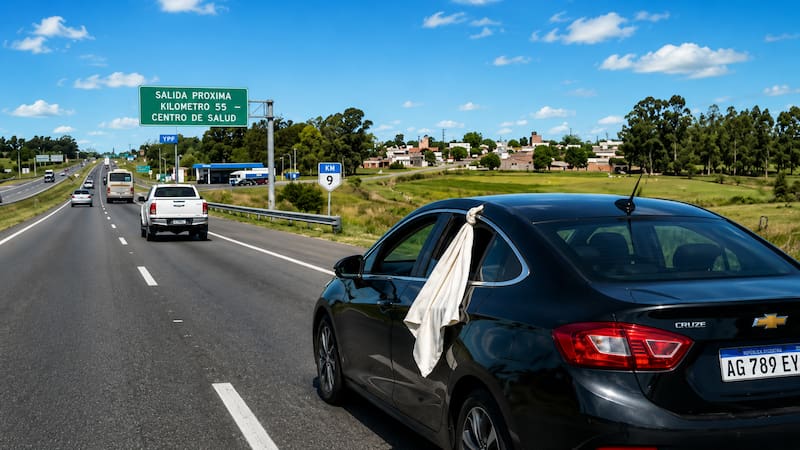
A white cloth hanging from the window of a car may seem like a strange detail to many drivers. However, in certain circumstances it works as an informal emergency signal to warn that there is an unusual situation inside the vehicle and that its occupants may need assistance.
The signal can be used to try to quickly attract the attention of other motorists or emergency services. That is why recognizing it and knowing how to react can be important, although it does not replace hazard lights, calls to 911, or other official emergency procedures.
What is the most common interpretation of the white handkerchief?
The most widely used interpretation of a handkerchief or white cloth placed visibly in a car is that the driver or passengers need help. Traditionally, this signal is used mainly when a vehicle is stopped on the side of a road because of a breakdown, mechanical failure, or another situation that prevents the trip from continuing.
The white color makes the signal easy to see and works as a way to warn other motorists and authorities that there is a non-routine situation. However, its meaning may vary depending on the place and circumstances, since it is not a universal traffic code.

When is the white handkerchief a sign of emergency?
The meaning becomes more urgent when the white handkerchief appears in a car that is still moving and there are other signs that its occupants are going through an emergency. It may be used, for example, to try to attract attention in the event of a medical emergency or a situation in which immediate assistance is needed.
If another driver sees this signal accompanied by unusual behavior or clear evidence of danger, the recommended course of action is to keep a safe distance, make room when it can be done without breaking the rules, and contact emergency services if the situation warrants it. In any case, the white handkerchief does not turn a private car into an emergency vehicle or automatically give the right of way.