
En esta noticia
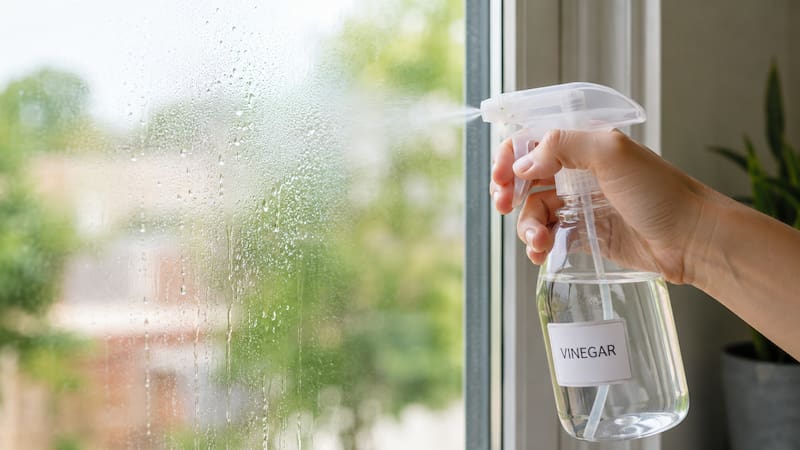
White vinegar is one of the most widely used household products for cleaning window glass. Its acidity helps loosen dirt, marks, and some mineral deposits that remain attached to the surface, particularly from water.
For favorable results, it is recommended to use the right amount of water and vinegar and choose the best time to use the trick.

What is spraying vinegar on window glass for?
Spraying vinegar on the glass can help loosen built-up dirt and remove stains caused by mineral deposits, as well as help remove dust, pollen, and other surface marks.
The acetic acid present in vinegar is especially useful against mineral residues that hard water can leave behind. That is why it is also often used to restore glass that has taken on a dull or whitish appearance.
How do you do it correctly?
A simple alternative is to prepare a homemade solution with two cups of water and half a cup of vinegar. If a quarter cup of 70% alcohol is added, evaporation without streaks is encouraged.
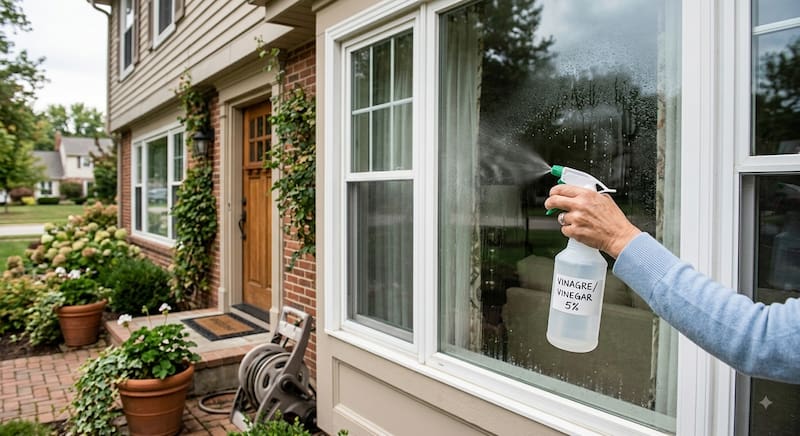
To apply it correctly:
- Remove dust or loose dirt from the glass beforehand.
- Place the mixture inside a spray bottle.
- Spray a sufficient amount on the surface.
- Wipe with a clean microfiber cloth to spread the product and remove dirt.
- Dry with another dry, lint-free microfiber cloth.
Avoid doing it in direct sunlight, because the product may dry before it can be removed and leave streaks.
Why is spraying vinegar on window glass recommended?
Mainly because it is an acidic product capable of dissolving certain mineral residues and loosening dirt, making it a useful alternative for everyday cleaning of glass surfaces. Homemade formulas that combine vinegar, water, and alcohol can also make it easier to achieve a finish with fewer stains and streaks.
In any case, vinegar should be considered a cleaner and not a reliable disinfectant. Nor is it advisable to assume it can be used on any material: its acidity can damage certain surfaces, so it is important to limit its use to glass and avoid prolonged contact with sensitive materials that may surround the window.