
En esta noticia
Hydrogen peroxide, also known as peroxide, is a compound used as an antiseptic and disinfectant in low concentrations, while higher concentrations are used for cosmetic, food, or industrial purposes.
Lemon, on the other hand, has a high citric acid content and a low pH. It is especially useful for dissolving certain stains and dirt buildup. When combined with hydrogen peroxide, both ingredients can help produce whitening and deodorizing effects.
Why does spraying hydrogen peroxide with lemon work to whiten surfaces?
Hydrogen peroxide breaks down the compounds that cause stains and lightens materials because of its oxidizing properties, while lemon helps remove limescale, mineral deposits, and certain types of dirt thanks to its citric acid content.
This mixture is especially recommended for removing stains and treating mold.
The website of Whistle Clean Australia, a commercial cleaning company, says both ingredients have useful cleaning and whitening properties.
How do you prepare the mix that whitens surfaces?
The company warns that this mixture should be prepared for immediate use.
For direct, simple cleaning, it is recommended to use low-concentration 3% peroxide, which can be found at pharmacies and supermarkets.
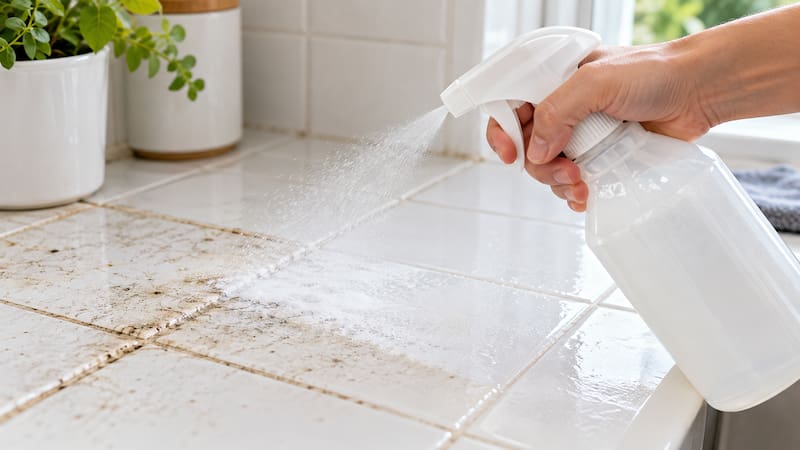
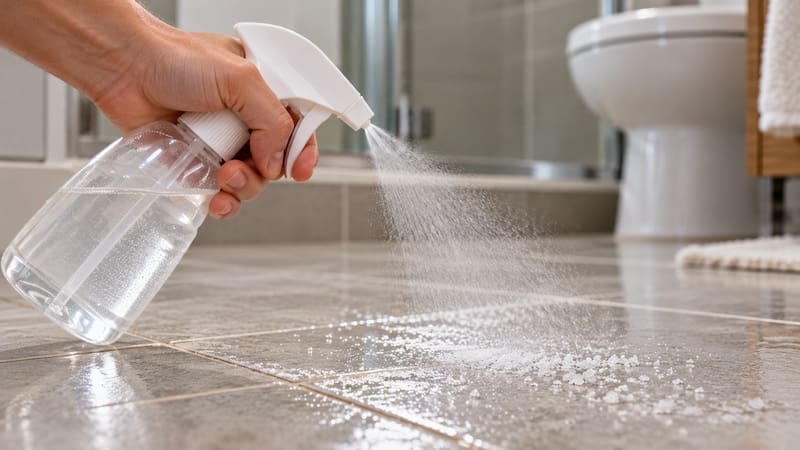
The mixture is made by diluting one part hydrogen peroxide in two parts water and adding one part lemon juice, always measuring the amounts you plan to use. Then, as a final step, spray the areas to be whitened. If you wish, you can wipe with a cloth to remove any excess liquid.
This combination is recommended with caution and should not be stored, since it can become unstable over time and produce peracetic acid, which is much more corrosive than either ingredient on its own.
Where can it be used, and when is it not recommended?
This mixture can be used on the following surfaces, as long as they are compatible with its ingredients:
- Tiles and grout.
- Glass and mirrors.
- Sinks and bathroom surfaces.
- Nonporous kitchen surfaces.
- White fabrics, after checking that they are compatible with the material.
By contrast, its use is not recommended on marble, limestone, and other natural stones sensitive to acids, as well as on unfinished wood, leather, suede, and certain metal surfaces.
It is also recommended to avoid applying it to colored fabrics because of the risk of discoloration.