En esta noticia
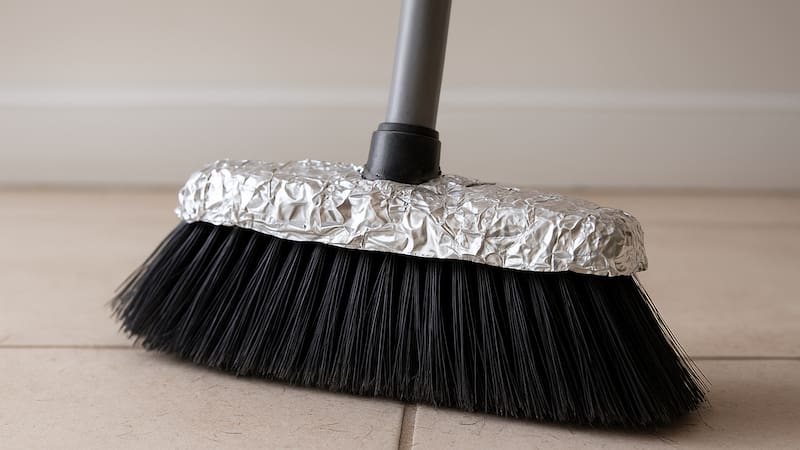
In recent months, a household tip has begun to spread through social media and cleaning groups: covering the broom with aluminum foil to optimize sweeping.
Thousands of users maintain that this trick completely transforms the way floors are cleaned, especially in cases where fine dirt seems stubborn.
Far from being just a trend, the explanation lies in a physical property that is often overlooked, which turns aluminum into an unexpected ally for keeping the home in excellent condition.

What is aluminum foil used for on a broom
No matter how often you clean, tiny particles remain stuck to the floor or hidden in the joints. The feeling that “the floor is not completely clean” is common on surfaces such as ceramic, laminate, or vinyl. It is in this context that aluminum stands out.
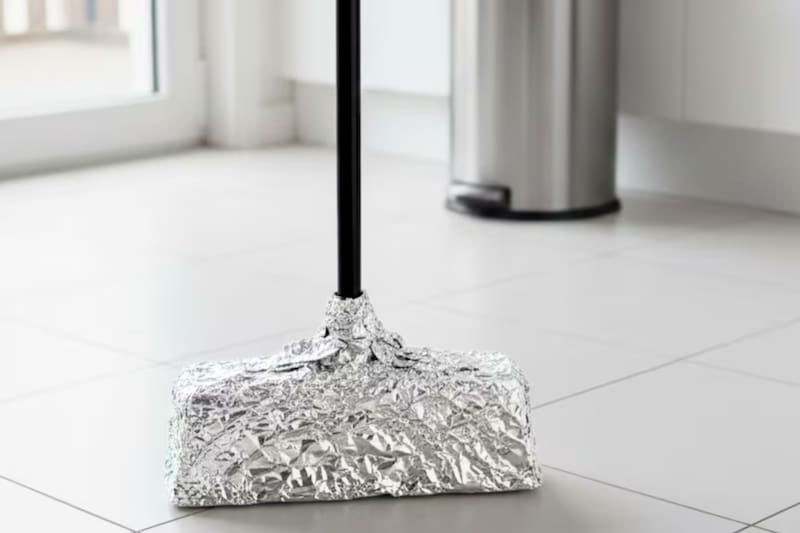
The trick works because of its ability to alter static electricity. By covering the base or the bristles of the broom:
- It attracts fine dust that typically gets dispersed while sweeping.
- It prevents hair and lint from getting trapped, which is crucial in homes with pets.
- It minimizes floor static, preventing dirt from reappearing seconds later.
- It extends the broom’s useful life by protecting it from wear.
The result is a considerably more efficient sweep, with fewer passes and no need to stir up dust with additional products.
How to implement the method in a few steps
To make use of this trick, no special preparation is required. You only need a sheet of aluminum foil and a regular broom:
- Cut a rectangle of aluminum foil large enough to cover the area you want to protect.
- Wrap the broom, either the bristles or the rigid part of it.
- Press firmly to make sure the foil is snug and does not move during sweeping.
- Use the broom as usual.
In a matter of seconds, you will notice that fine dust accumulates more easily and that sweeping requires significantly less effort.
How often the foil should be replaced
To preserve the desired effect, cleaning experts suggest replacing the foil every few days or when it is found to be excessively wrinkled, dirty, or damaged. Its lifespan varies depending on the type of floor and how often it is used.