
En esta noticia
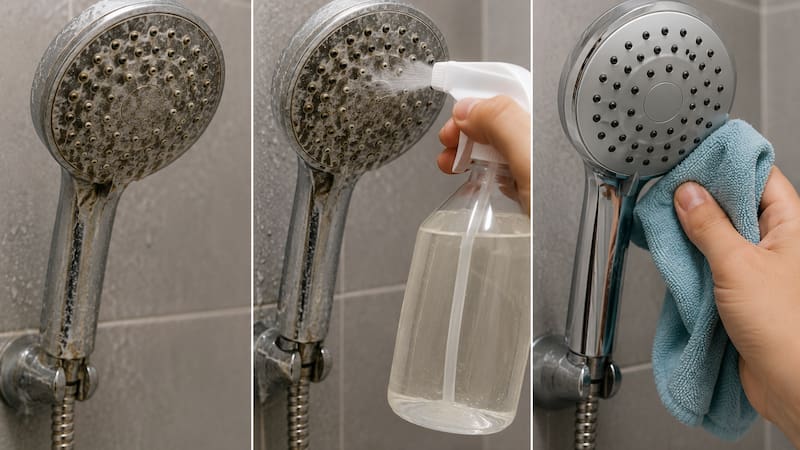
The buildup of limescale in the shower is a common problem in many Spanish homes. With daily use, the minerals present in the water, such as calcium and magnesium, adhere to the small holes in the showerhead, reducing the flow and causing the water to come out unevenly.
Although vinegar and baking soda are two of the most commonly used home remedies to remove these deposits, there is another option that has gained popularity for its effectiveness: citric acid, a compound capable of dissolving limescale deposits without the need for excessive scrubbing.
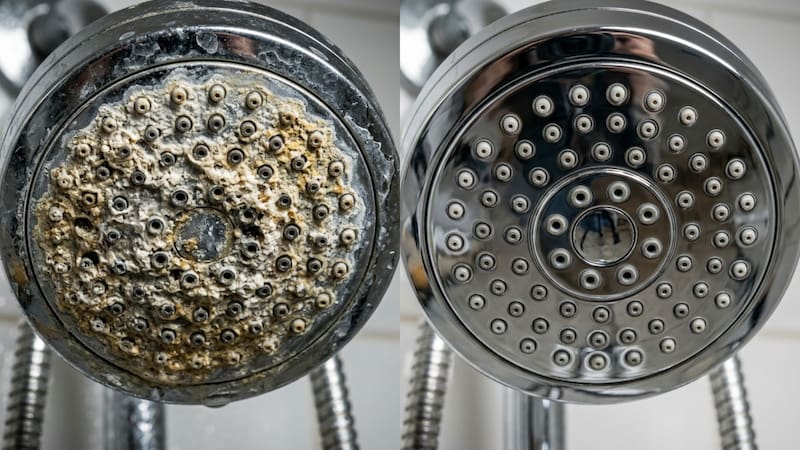
In addition to restoring a uniform stream of water, this homemade method helps keep the showerhead in better condition and extend its useful life.
How to remove limescale from the showerhead with citric acid
Citric acid can be found in cleaning product stores, hardware stores, or specialty shops. Thanks to its descaling properties, it is an effective alternative for removing mineral buildup.
To use this method, follow these steps:
- Dissolve two or three tablespoons of citric acid in a container with warm water.
- Remove the showerhead if the model allows it.
- Let it soak for between 30 minutes and one hour.
- Use an old toothbrush to remove any remaining limescale that is still stuck on.
- Rinse with plenty of water before reinstalling it.
If the showerhead cannot be removed, you can also place the solution inside a plastic bag, secure it around the showerhead with a rubber band or elastic band, and let the holes remain submerged for the same amount of time.
Why does limescale form, and how can it be prevented?
The appearance of limescale is related to the hardness of the water. The higher the concentration of calcium and magnesium, the faster these minerals accumulate in the pipes and in the holes of the showerhead.
To prevent the problem from returning, specialists recommend:
- Clean the showerhead at least once a month.
- Dry the shower after each use to reduce moisture.
- Periodically check the holes to detect blockages.
- Install filters or anti-limescale systems if the home’s water contains a high amount of minerals.
Performing regular maintenance not only helps prevent limescale buildup, but also helps maintain good water pressure and extend the proper functioning of the shower.