

En esta noticia
The way Americans experience winter daylight could change if Congress approves a proposal to make Daylight Saving Time permanent. Instead of turning clocks back one hour in November, most of the United States would remain on the summer schedule throughout the year.
The proposal, known as the Sunshine Protection Act, would eliminate the twice-yearly clock change for most states. The House passed its version of the bill in July, while the Senate still needs to consider the measure. President Donald Trump has also voiced support for permanent Daylight Saving Time.

Winter sunsets would happen later
Under the current system, clocks move back one hour in November, which causes sunsets to occur earlier during the winter. Permanent Daylight Saving Time would eliminate that change, shifting both sunrise and sunset one hour later.
For many Americans, that could mean fewer winter days with sunsets before 5 p.m. Some locations could see the sun remain above the horizon until after 6 p.m., while certain cities could have winter sunsets approaching 7 p.m.
The change would vary significantly depending on location. In Juneau, Alaska, for example, the winter sunset currently occurs around 3 p.m. Under permanent Daylight Saving Time, it could move to approximately 4 p.m.
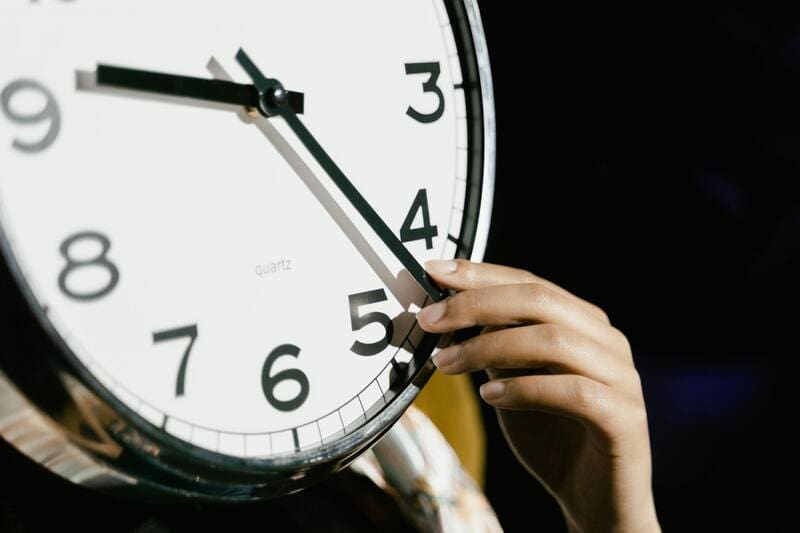
The trade-off would be darker mornings
Permanent Daylight Saving Time would not create an additional hour of sunlight. Instead, it would move one hour of daylight from the morning to the evening.
That means winter mornings would become darker. In some areas, sunrise could occur after 8 a.m., while certain locations could see the sun rise after 9 a.m. during parts of the winter.
This is one of the main arguments against the proposal. The American Academy of Sleep Medicine has supported permanent Standard Time instead, arguing that it better aligns with human circadian rhythms and could provide health and safety benefits.
What happens next with Daylight Saving Time?
The proposal still needs Senate approval before it can become law. Until Congress acts, most states will continue following the current system of changing clocks twice a year.
Hawaii and most of Arizona would not be affected by a federal move to permanent Daylight Saving Time because they already remain on Standard Time year-round.