
En esta noticia
The judicial debate regarding the scope of birthright citizenship in the United States began with the signing of Executive Order 14160 by Donald Trump in January 2025, a legal battle that would continue until June 30, 2026, when the Supreme Court of the United States ruled that it was a constitutional guarantee.
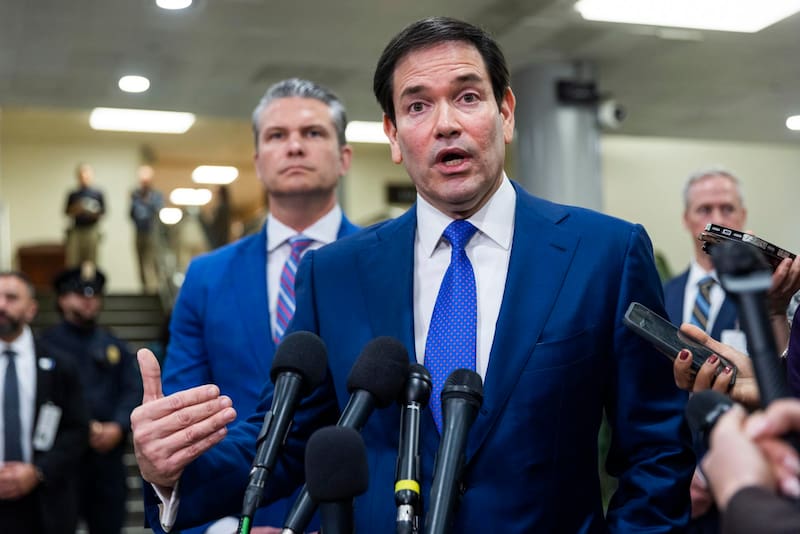
In a final attempt to control the situation, Marco Rubio, the Secretary of State, announced through the State Department’s official website that measures would be taken against individuals who take part in these foreign maternity tourism networks by restricting the issuance of visas.
What does the U.S. government call “maternity tourism”?
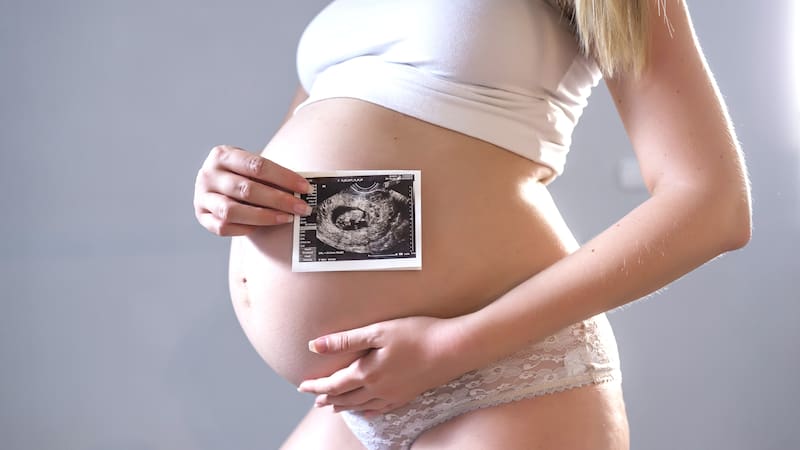
The government considers Maternity Tourism to be any operation coordinated by foreign networks that has commercial aims and seeks to take advantage of the U.S. immigration system.
According to Rubio’s statement: “These networks advertise their services and teach foreign citizens to lie on U.S. visa applications and charge tens of thousands of dollars to arrange births on U.S. territory for the sole purpose of obtaining U.S. citizenship”.
Who can have their U.S. visa restricted due to an accusation of fraud?
The measure may affect both those who make the trip knowing their activity is illegal and those who facilitate the process:
- Owners.
- Operators.
- Managers.
- Medical providers.
- Applicants.
According to what Rubio announced, visa issuance will be restricted “under section 212(a)(3)(C) of the Immigration and Nationality Act”.
The current administration argues that it defends the integrity of U.S. citizenship, along with public benefits and taxpayers, against exploitation. The message is: “The United States will not allow foreigners to exploit our immigration system and undermine the integrity of U.S. citizenship”.
The birthright citizenship debate: Trump vs. the U.S. Supreme Court
The debate over whether birthright citizenship can be restricted or not continues, although the Supreme Court struck down the executive order on June 30 that sought to prevent children born on U.S. territory from automatically receiving citizenship even if neither of their parents had legal immigration status.
On this date, the Supreme Court ruled in the case Trump V. Barbara that the 14th Amendment to the Constitution guarantees citizenship to all children born in the United States, regardless of whether their parents are temporarily or unlawfully present.
“All persons born or naturalized in the United States, and subject to its jurisdiction, are citizens of the United States and of the state wherein they reside. No state shall make or enforce any law which shall abridge the privileges or immunities of citizens of the United States”
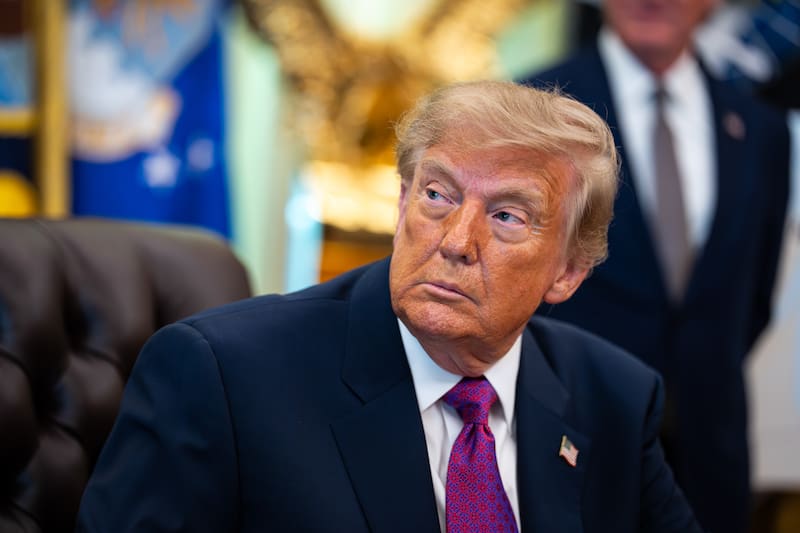
After several disagreements between the Supreme Court and the American president, Trump expressed his dissatisfaction with several of the judges he himself would have interviewed: “These are not the people I interviewed to be part of the Supreme Court of the United States; they are only a shadow of what they once were”.
Protection of birthright citizenship: Is Trump’s request unconstitutional?
According to the ruling issued by the Supreme Court, Executive Order 14160 does not correspond to the Citizenship Clause, as it sought to establish a narrower category of birthright citizens than the one contemplated by the Constitution.
The Fourteenth Amendment was ratified in 1868, after the Supreme Court ruled in 1857 on the case Dred Scott v. Sandford. In that ruling, the court concluded that people who had been enslaved and their descendants were not U.S. citizens and, therefore, could not bring lawsuits in a federal court.