
En esta noticia
The shortage of health care professionals is no longer a future projection, becoming an immediate challenge for the U.S. health care system. In this situation, Texas has made a decision that challenges decades of medical tradition: to allow doctors trained abroad to practice without having to complete a full local residency.
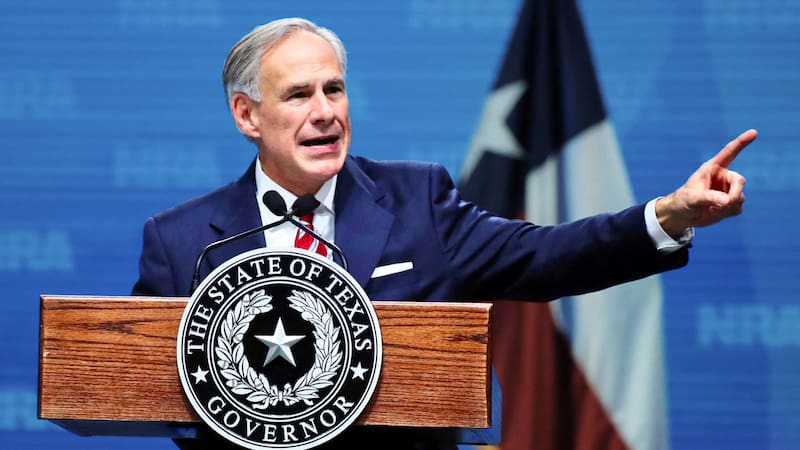
This measure, formalized through HB 2038, also known as the “DOCTOR Act”, aims to fill critical vacancies, reduce waiting lists, and prevent collapse in hospitals in rural areas and mid-sized cities across the state.
This change is significant: for the first time, the Green Card for doctors is no longer obligatorily tied to a traditional residency in Texas, being replaced by a system of extended supervision.

What provisions does the recent HB 2038 law introduce in Texas
The regulation, approved in December 2025, makes it easier for doctors with international training to practice under an alternative framework:
- They will not have to complete a full residency in Texas.
- They will be able to work for four years under professional supervision, instead of the typical seven years of conventional training.
- The main objective is to quickly expand the active medical workforce.
This change responds to two structural factors: the aging of the current medical workforce and sustained population growth, particularly in the southern part of the state and in rural areas.
Regarding the profile of the professionals, The Texas Tribune noted:
“Of the 100,000 licensed doctors in Texas, approximately one quarter were trained outside the United States, reflecting the national proportion. It is not clear how many of them actually practice medicine.”

Why Texas adopted this decision
Unlike other states, Texas faces a critical combination:
- Rapid population growth.
- An increase in the elderly population.
- Lack of specialists in general medicine, pediatrics, and community health.
- Difficulty attracting doctors to areas far from major cities.
Legislator Tom Oliverson explained the essence of the problem: “In general terms, there are individuals willing to move to practice medicine in our state and who have the ability to do so. They are all doctors. However, they cannot practice here, or the process is so difficult that they choose not to.”
Requirements for foreign doctors to obtain authorization to practice in Texas
The law does not automatically authorize just any professional. Doctors must meet formal and technical requirements, including:
- Have five years of prior experience.
- Demonstrate proficiency in English.
- Have no disciplinary record.
- Pass the licensing exams required in the United States.
- Have a specific job offer in Texas.
This seeks to avoid uncontrolled relaxation of rules and maintain minimum standards of care quality.

Potential impact on available job opportunities
One of the most critical aspects is the impact on salaries and working conditions. Dr. Iván Meléndez said the problem is not only human resources, but also financial ones: “Insurance payments, as well as cuts to Medicare and Medicaid, have certainly influenced the economics of health care. I do not think that is the main cause of our shortage.”
He also added that although the regulation may attract professionals, it will not necessarily improve the sector’s economic conditions immediately. Regarding the risk of labor abuse, the specialist stated: “Regarding the possibility that these doctors may be abused through reduced reimbursements or that hospitals may take advantage of them, the board has established measures that help reduce the likelihood of that happening.”