En esta noticia
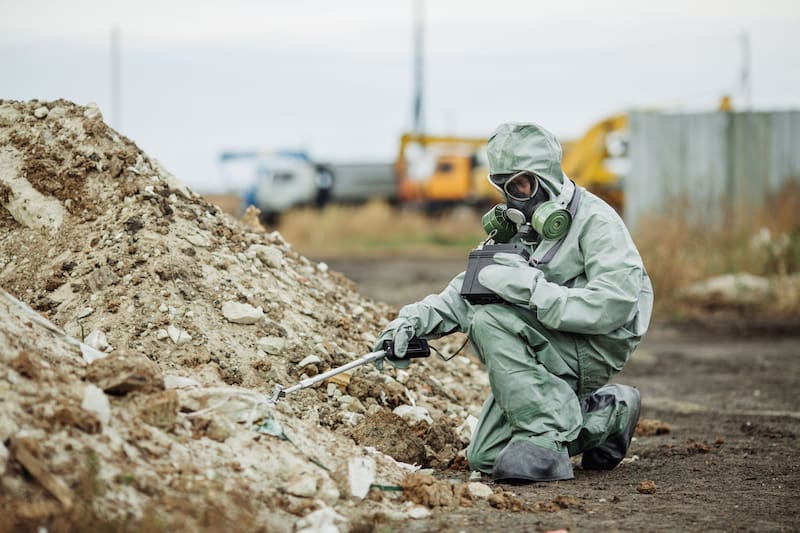
Four decades after the reactor explosion at Unit Four in Chernobyl, the worst nuclear disaster in history, the area where it occurred remains such a contaminated environment because of radiation that it is rare to find even insects around. And yet, amid that hostility, one organism not only managed to survive: it thrived.
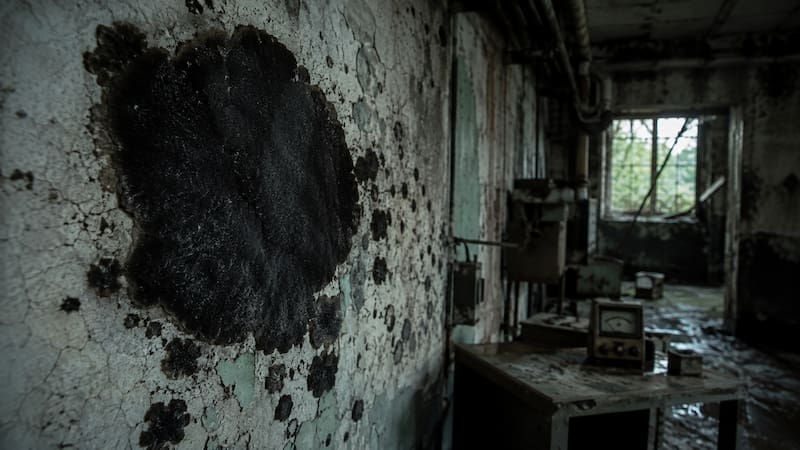
It is the black fungus found on the interior walls of one of the most radioactive buildings on Earth.
Its scientific name is Cladosporium sphaerospermum, and what is striking is that it seems to live there at its most developed stage, which raises a central question: can a living being benefit from an environment that is dangerous for humans?
What is the black fungus from Chernobyl like?
It should not be imagined like the cap mushrooms that grow in forests. “These are fungi of a deep black color because they accumulate a lot of melanin”, CONICET researcher Sebastián Pelliza explained to Perfil.
Its great distinctive feature is resistance to a lethal environment. “These fungi were known from other places, but they are the only ones capable of withstanding the radiation levels of the contaminated reactors at Chernobyl”, mycologist Francisco Kuhar explained.
That ability is explained, in part, by the enormous genetic plasticity of fungi, which allows them to adapt to almost any environmental change and which has kept them on Earth for millions of years.
How it survives in one of the most radioactive places on the planet
Scientific interest in this organism began in the late 1990s, when a team led by microbiologist Nelli Zhdanova, from the National Academy of Sciences of Ukraine, studied what life could exist in the shelter surrounding the destroyed reactor.
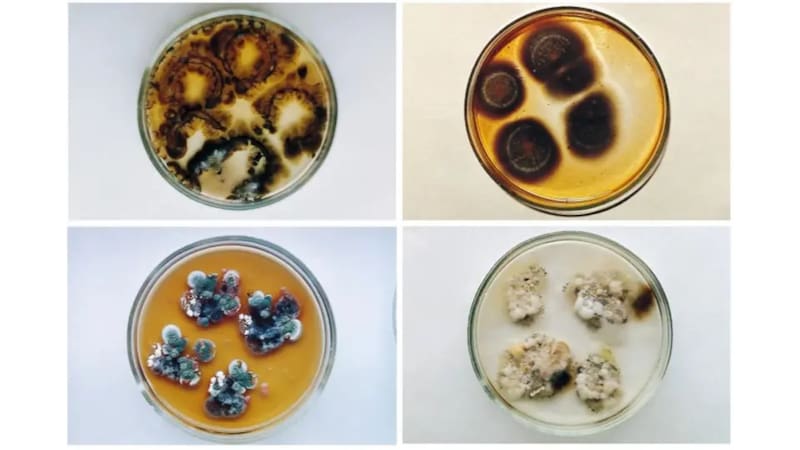
The group documented 37 species of fungi, many of them dark-toned and rich in melanin, among which Cladosporium sphaerospermum predominated.
Later, a team from Albert Einstein College of Medicine, led by radiopharmacologist Ekaterina Dadachova and immunologist Arturo Casadevall, analyzed what happened when the fungus was exposed to ionizing radiation.
Their observations indicated that radiation did not damage it in the same way as other living beings: the organism showed unusual resistance and even grew better under exposure.
What “radiosynthesis” is and how far it has been proven
In an article published in 2008, Dadachova and Casadevall proposed a biological pathway similar to photosynthesis. According to Pelliza, “in fungi, melanin acts as an energy transducer, capturing ionizing radiation, such as gamma rays, and transforming it into chemical energy that the fungus can use to grow”, in the same way plants harness sunlight. This mechanism was given a name: radiosynthesis.
In that hypothesis, melanin would fulfill a dual function: capturing radiation and, at the same time, acting as a protective shield against its most harmful effects.
It is worth stressing, however, that this remains a proposal not yet confirmed. A team led by engineer Nils Averesch, from Stanford University, warned in 2022 that real radiosynthesis is still to be demonstrated, as well as the obtaining of energy from that radiation.
What applications could it have in space exploration
Interest in the fungus became connected with more recent research. In 2022, an experiment took Cladosporium sphaerospermum to the outside of the International Space Station, where it was exposed to cosmic radiation.
The sensors placed under the sample recorded that less radiation passed through when the fungus was present than in a control without it.
The aim of that work was not to demonstrate radiosynthesis, but to explore the organism’s potential as a natural shield against radiation in future space missions, one of the major obstacles to long-distance travel.
Although many questions remain open, the black fungus from Chernobyl has become a subject of study that challenges established ideas about where and how life can thrive.