
En esta noticia
A Supreme Court decision has cleared the way for the Trump administration to move forward with new restrictions on mail-in voting, but the rules are still being challenged in court ahead of the 2026 midterm elections.
The Supreme Court’s decision could affect how millions of Americans receive and return mail-in ballots in the November elections. However, the ruling did not make the new voting rules permanent or determine whether President Donald Trump’s executive order is constitutional.
The dispute centers on an executive order that seeks to give the federal government a greater role in determining which voters can receive certain ballots by mail.

What the Supreme Court decided about mail-in voting
The justices did not rule that the executive order itself is lawful. Instead, the court found that a challenge brought by Democratic-led states was premature because some of the new rules had not yet taken effect and their impact on the states was still uncertain.
The decision leaves open the possibility of additional lawsuits once the new rules are implemented.
How Trump’s plan could affect mail-in ballots
The executive order calls for the federal government to create lists of citizens who are considered eligible to vote in federal elections.
The administration plans to use federal records to identify eligible citizens, including information related to citizenship and Social Security records. The lists would then be provided to state election officials and the U.S. Postal Service.
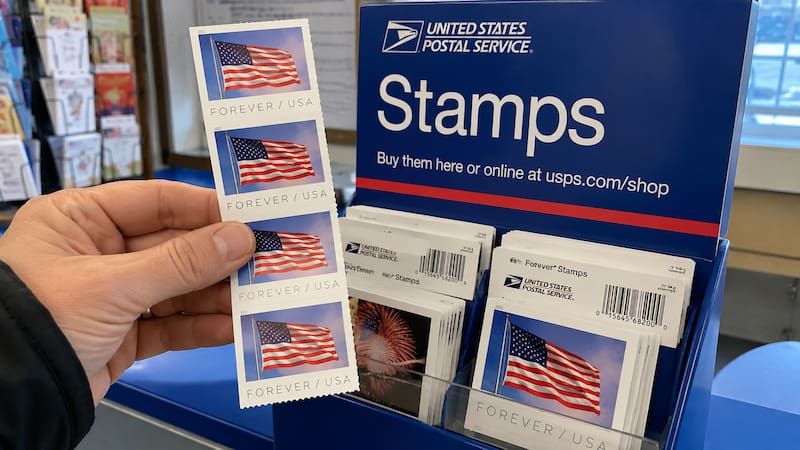
Under the plan, USPS could refuse to mail certain ballots if the voter is not included on the applicable list.
The administration also seeks new requirements for the envelopes used to send mail-in ballots. That could force some states to replace materials that have already been produced for the November election.
Which states could see changes?
The potential impact is national, but states are responding differently to the new rules.
California and other Democratic-led states are expected to challenge the Postal Service’s final rule in court. Officials in Oregon and Colorado, meanwhile, have indicated that they expect their November elections to proceed under existing procedures.
North Carolina has said it is monitoring the ongoing litigation, while officials in Utah have also indicated that the state will continue conducting elections according to state and federal law.
This means there is currently no final list of states where voters will definitely face new mail-in voting rules in November.
Why the timing matters for the 2026 elections
The legal fight is unfolding only weeks before the midterm elections.
Some states have already designed and printed their ballots, while the first absentee ballots are scheduled to begin going out on September 4. The general election will take place on November 3, 2026.
That leaves election officials with limited time to determine whether they need to change ballots, envelopes, or other voting materials.
For voters, the most important point is that the Supreme Court ruling does not mean that mail-in voting rules have already changed nationwide. Further court decisions could determine whether the administration’s proposed restrictions take effect before the November election.