En esta noticia
The way Americans experience winter daylight could change significantly if Congress approves a proposal to make Daylight Saving Time permanent across much of the United States. Instead of turning clocks back one hour in November, most of the country would remain on the summer schedule throughout the year.
The proposal, known as the Sunshine Protection Act of 2026, has already passed the House of Representatives and would eliminate the twice-yearly clock change for most states. President Donald Trump has also expressed support for the measure and urged the Senate to approve it.

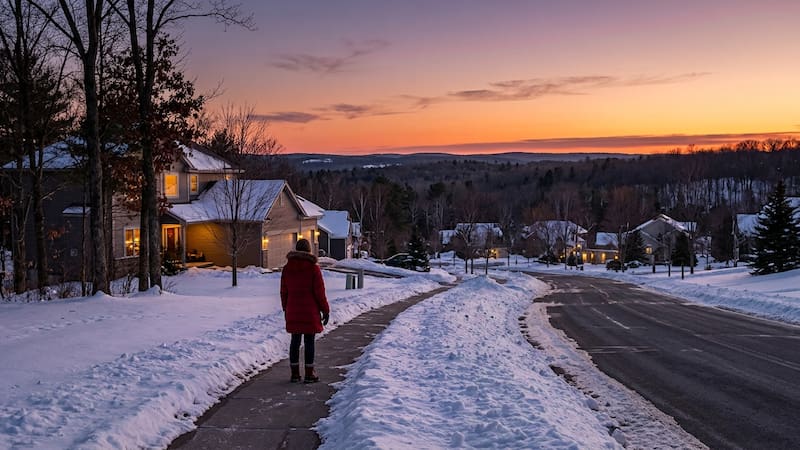
Winter sunsets would occur later
One of the biggest changes would be seen in the time of sunset during winter.
Under the current system, clocks move back one hour in November, meaning the sun sets earlier in the afternoon. If permanent Daylight Saving Time becomes law, that adjustment would disappear. As a result, sunrise and sunset would both occur one hour later during the winter months.
For many parts of the country, this could mean saying goodbye to winter sunsets occurring shortly after 5 p.m. Some locations could instead see the sun remain above the horizon until 6 p.m. or later, while certain cities could experience winter sunsets approaching 7 p.m.
Alaska could see some of the most noticeable differences. In Juneau, for example, the winter sunset currently occurs around 3 p.m. Under permanent Daylight Saving Time, it could shift to approximately 4 p.m.
Some cities could have sunsets after 7 p.m.
The effect would vary considerably depending on location. Cities such as Indianapolis, Louisville and Grand Rapids could experience significantly later winter sunsets.
In some places, the difference would become especially noticeable toward the end of winter. Certain locations could see the sun set after 7 p.m. during early March, providing more daylight for people after work and school.
Supporters of permanent Daylight Saving Time argue that the additional evening light could encourage outdoor activities, benefit businesses and reduce some safety risks associated with darkness during the evening commute.
The trade-off: much darker winter mornings
However, keeping Daylight Saving Time throughout the year would not create more daylight. It would simply shift an hour of daylight from the morning to the evening.
That means winter mornings would become considerably darker. In some areas, sunrise could occur after 8 a.m., while certain locations could see the sun rise after 9 a.m. during parts of the winter. In Juneau and other northern locations, sunrise could occur extremely late.
This is one of the main reasons the proposal has generated opposition. Critics argue that dark mornings could affect children traveling to school, workers commuting and people’s sleep schedules.
The American Academy of Sleep Medicine has opposed permanent Daylight Saving Time, arguing that permanent Standard Time would better align with the body’s natural circadian rhythms.

What happens next with the proposal?
The Sunshine Protection Act of 2026 has already cleared the House, but it still needs action in the Senate before it could become law. The Senate’s position remains uncertain, with lawmakers divided over whether the country should adopt permanent Daylight Saving Time or permanent Standard Time.
Congress is also considering alternatives, including legislation that would make Standard Time permanent instead. Another proposal would create a permanent half-hour shift rather than moving clocks by a full hour.