
En esta noticia
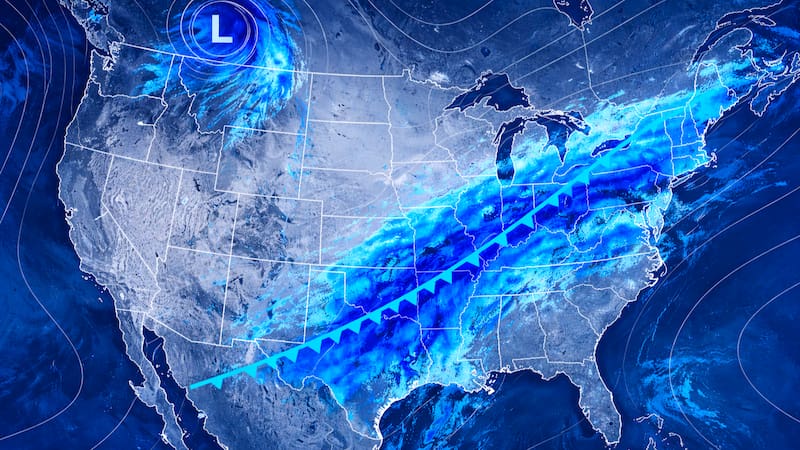
The National Weather Service (NWS) is forecasting a mix of unseasonably warm temperatures, heavy rain, and colder conditions across parts of the United States this week. The Weather Prediction Center warns of possible flooding and severe thunderstorms in the central US, while a cold front is expected to bring more typical fall temperatures later in the week.
The weather will vary by region, with parts of the Midwest and Southeast facing unusual warmth and areas from the Corn Belt to Texas at risk of heavy rainfall.

What to expect in October: Heavy rain and severe thunderstorms threaten the central US
NWS expects several days of rain and thunderstorms from the Corn Belt to the Big Bend region of Texas. Some areas could receive more than 2 to 4 inches of rain through Thursday, October 15, increasing the risk of flash flooding.
Severe thunderstorms are also possible Tuesday across parts of the central and southern Plains, with potential for large hail, damaging winds and isolated tornadoes. Farther east, a low-pressure system could bring heavy rain to New England and snow at higher elevations.
Unseasonable heat could set October records
Parts of the Midwest and Southeast are expected to experience temperatures well above normal for October over the next few days. The NWS warns that some locations could set daily record highs, creating a sharp contrast with cooler conditions in parts of the West, where the first freezes of the season are already occurring.
The warmth is expected to give way to cooler weather as the week progresses. However, the timing and intensity of the temperature drop will depend on the location, so local forecasts will provide the most precise information.
A cold front will bring cooler weather later this week
A surge of cold air from Canada is expected to push a front southward toward the end of the week. This system should bring more typical fall temperatures to much of the central United States after several days of unusual warmth.
The front will contribute to a broader shift in weather across the country, although conditions will differ by region. Residents should check local NWS forecasts and alerts for updates on heavy rain, severe storms and the arrival of colder air.