

Por Bárbara Pérsico
En esta noticia
The National Highway Traffic Safety Administration (NHTSA) has published on its official website the consequences that a driver can face for driving under the influence in the United States.
Official data show that about 32 people die in the country each day in alcohol-related traffic crashes.
For this reason, drunk driving is illegal in all 50 states, the District of Columbia and Puerto Rico, and the consequences can include revocation of a driver’s license, fines and, in some cases, jail time.

General blood alcohol limit for driving
Authorities explain that Blood Alcohol Concentration (BAC) is the way to measure how much alcohol a person has in their system.
Because a BAC of .08 grams of alcohol per deciliter (100 ml) of blood is considered to greatly increase the risk of a crash, this is the general legal limit.
“In all 50 states, the District of Columbia and Puerto Rico, it is illegal to drive with a BAC of .08 or higher; except in Utah, where the BAC limit is .05,” it says.
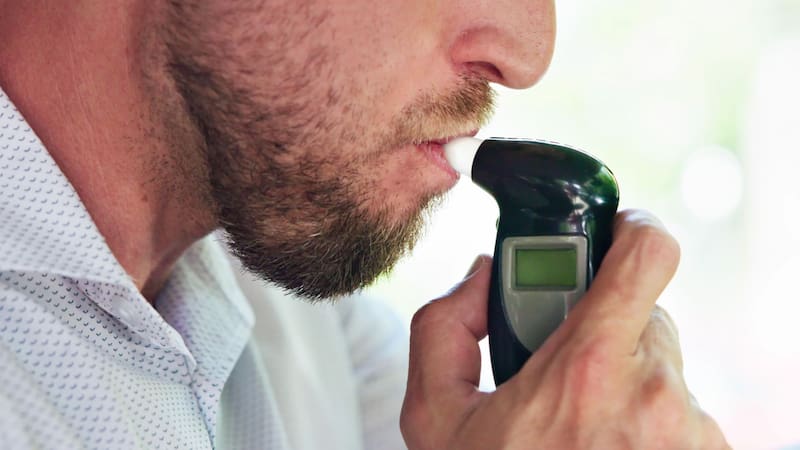
Physical effects of driving with alcohol in your system
Experts said alcohol negatively affects essential driving functions, including thinking, reasoning and muscle coordination.
“At all BAC levels, the risk of a fatal crash is much higher among drivers ages 16 to 20 than among those over 21,” explains the Insurance Institute for Highway Safety (IIHS).

Driver’s license revocation, fines and jail: legal consequences of driving while intoxicated
NHTSA warns drivers nationwide that drunk driving can lead to misdemeanor or felony charges, with penalties that include driver’s license revocation, fines and jail time, if ordered.
“A driver who commits a first offense can face more than $10,000 in fines and legal fees,” NHTSA says.
In addition, some states require offenders to install an ignition interlock device in their vehicle —at their own expense— that measures their BAC before the car can start. “The vehicle cannot be operated unless the driver blows into the device and has a BAC below a preset low limit, generally 0.02 g/dL,” it explains.