
En esta noticia
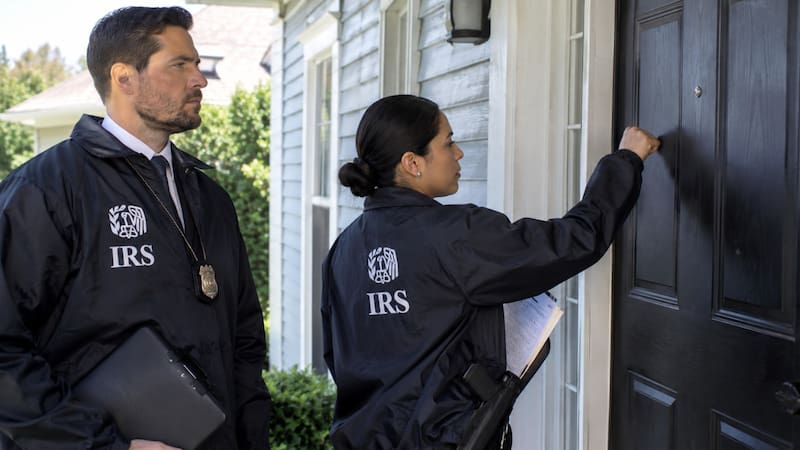
An IRS employee knocking on doors in Los Angeles, New York, Houston, or Chicago is not something limited to those cities. Because this is a federal rule, tax compliance visits can also happen in any other state across the country.
In August 2023, the agency stopped most unannounced visits by revenue officers, saying fraudsters had made home visits confusing and that the change would improve safety. But the shift changed how contact begins, not whether it happens: today a visit is arranged through an appointment letter (725-B) or a phone call that sets a date and place.
The agency still describes these visits as uncommon, and only four types of employees can make them: revenue agents, revenue officers, criminal investigation special agents, and fuel inspectors.

When visits with advance notice still happen
- Collecting unpaid taxes. If you owe a balance or have unfiled returns, a revenue officer writes or calls to set up a meeting. Several notices go out first, and a visit follows when those attempts to reach you go unanswered. To confirm the appointment, call the number printed on your letter.
- Payroll tax problems at businesses. When a business falls behind on employment taxes, it receives a Federal Tax Deposit (FTD) alert. The officer calls before a balance due notice goes out and mails Letter 5857 with a call time, and may schedule follow-ups.
- Audits. A revenue agent reviews your financial records to verify what you reported. Contact starts by mail, and a phone call may follow. The meeting can take place at an IRS office, your home, your business, or your accountant’s office, and may include a tour of your premises or the presence of your authorized representative.
- Questions to third parties. If the agent needs information from someone else, a letter goes out first, followed by a possible call. Sometimes a summons is issued by mail or delivered in person.
The IRS can also temporarily deploy officers outside their usual area, to regions with limited field presence or to handle priority cases.
The exceptions that still come without warning
A few narrow cases remain: serving summonses and subpoenas and sensitive enforcement actions involving the seizure of assets at risk of being moved out of reach. Criminal investigation special agents may show up unannounced during a criminal probe. They are the only armed IRS employees, and they neither handle civil cases nor demand payment. Fuel inspectors, who wear uniforms, make unannounced visits to refineries, terminals, and other regulated sites.

How to tell it’s the real IRS
Officers and revenue agents must carry an official credential and an HSPD-12 card, both showing a photo and serial number. You can ask to see them. If something feels off, call the number on the card or the letter, and dial 911 if you feel unsafe.
Be wary of any unexpected contact that rushes or threatens you, asks for personal or financial information, or demands immediate payment. The IRS says it never reaches out through social media direct messages.