
En esta noticia
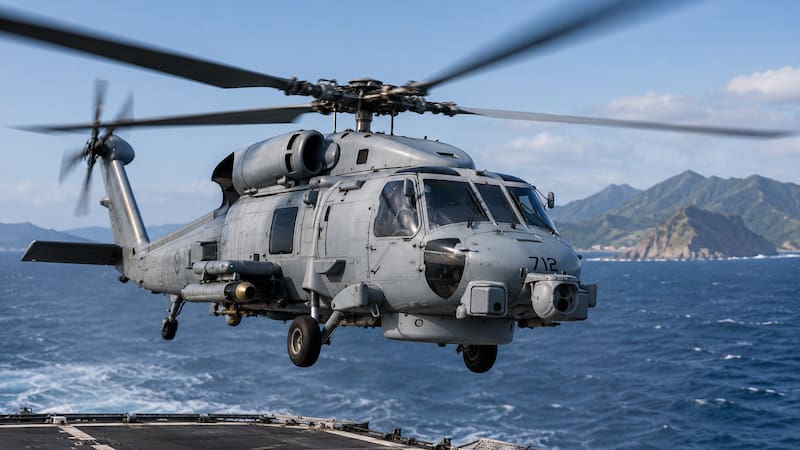
The Government of New Zealand confirmed the purchase of five MH-60R Seahawk military helicopters from the United States, as part of a program aimed at modernizing the capabilities of its Armed Forces and strengthening surveillance of its waters.
According to the New Zealand Ministry of Defence, the acquisition includes weapons and associated equipment, with a capital investment of 1,648 million New Zealand dollars. The first deliveries are expected in 2030.


When will the five U.S. military helicopters arrive in New Zealand?
According to the official announcement, the first MH-60R Seahawk will begin arriving in 2030, as part of the process of renewing the maritime helicopter fleet of the New Zealand Armed Forces.
The new aircraft will replace the current SH-2G(I) Seasprite helicopters, used to carry out operations from military ships and take part in various maritime missions.
The addition of the Seahawk aims to improve New Zealand’s response capability in defense, surveillance, and assistance at sea.
What features do the MH-60R Seahawk military helicopters have?
The MH-60R Seahawk are military helicopters designed to operate from warships and carry out various missions over the sea.
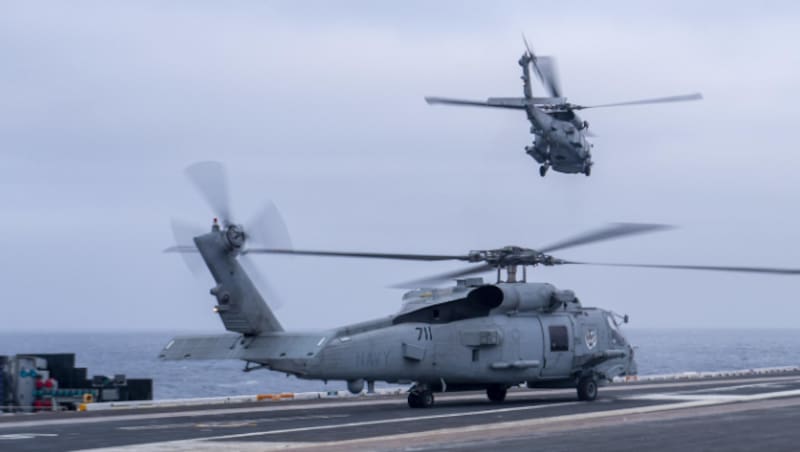
Among their main capabilities are:
- Detection and tracking of submarines, through specialized surveillance systems.
- Operations against maritime threats, thanks to their military equipment and ability to carry weapons.
- Surveillance and reconnaissance, to identify vessels and monitor maritime areas.
- Search and rescue, in support of emergency operations at sea.
These features will make it possible to expand the functions currently performed by the maritime helicopters of the Armed Forces in New Zealand.
How much will New Zealand invest in the new military helicopters?
The Government announced a capital investment of 1,648 million New Zealand dollars to acquire the five MH-60R Seahawk helicopters, along with the weapons and equipment needed for their use.
With this addition, New Zealand aims to have aircraft capable of carrying out both defense missions and surveillance and rescue tasks, with the first deliveries scheduled for 2030.