En esta noticia
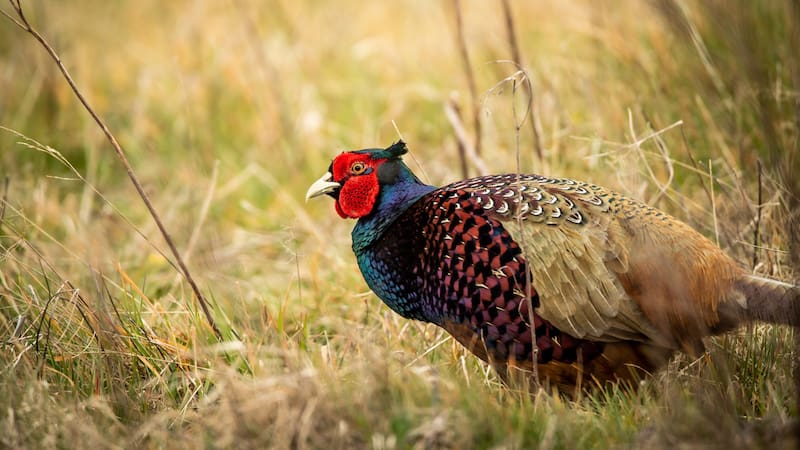
A bird that was once unfamiliar to Texas eventually became a major part of the state’s hunting history. Ring-necked pheasants, a species native to Asia, were introduced in Texas during the 1930s in an attempt to establish a population that could provide new hunting opportunities.
The first experiment did not go as planned. Yet decades later, pheasants had become firmly established across parts of the Texas Panhandle, where their numbers grew dramatically and hunting became increasingly popular. By the late 1980s, annual harvests had reached more than 100,000 birds.
The first Texas experiment failed
Texas’ initial attempt to introduce the species took place along the Gulf Coast. In 1933 and 1934, approximately 400 pheasants were released at the Aransas National Wildlife Refuge.
The birds failed to establish a lasting population in that area. According to the Texas Breeding Bird Atlas, the last of the pheasants from that introduction were observed in 1939.
The failure did not end efforts to establish pheasants in Texas. Instead, the species eventually found much more suitable conditions farther north and west.
How pheasants spread across the Panhandle
The expansion of pheasants in the Texas Panhandle was not the result of a single successful stocking program. Wild birds began moving into the region from western Oklahoma around 1939 or 1940, while private landowners also released pheasants in different parts of the Panhandle.
Government agencies and conservation groups contributed to the expansion as well. Texas Parks and Wildlife records indicate that private releases and additional stocking efforts helped establish populations in several areas.
By 1950, pheasants were present in at least 18 counties in the region, particularly around rivers and other areas that provided food and shelter.
Over time, the combination of agricultural land, suitable vegetation and additional releases created conditions in which the species could reproduce and expand.
Hunting eventually became a major activity
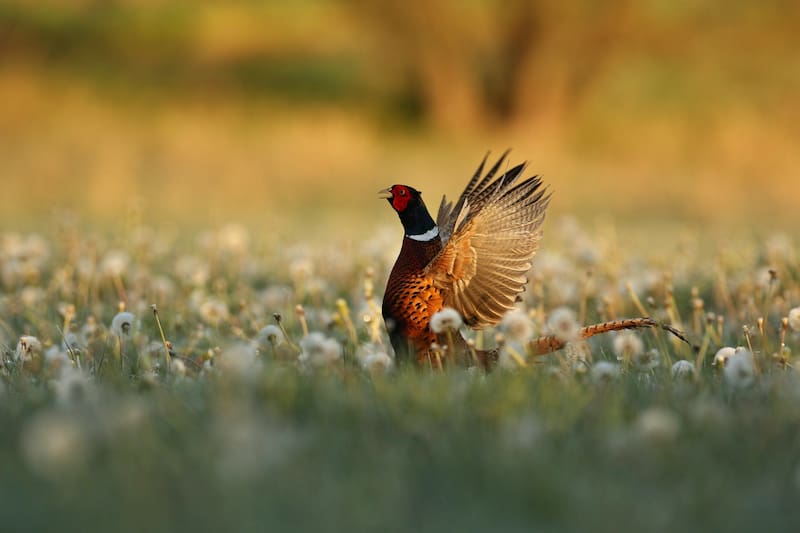
Texas opened its first legal pheasant hunting season in 1958 in Dallam County. At that point, the population was still relatively limited, and hunting regulations reflected the cautious approach to the newly established game bird.
The situation changed considerably over the following decades.
The Conservation Reserve Program (CRP), established in the 1980s, helped provide additional grassland habitat across parts of the High Plains. This created conditions that benefited pheasants and contributed to the growth of both the population and hunting activity.
By the 1986–87 hunting season, nearly 45,000 pheasant hunters were taking part in the sport in Texas.
The 1980s brought a historic peak
The biggest numbers came in the late 1980s.
According to Texas Parks and Wildlife Department, hunters harvested approximately 122,000 pheasants annually during the 1987–88 and 1988–89 seasons. The figure represented the peak of pheasant hunting in Texas.
That level of success was remarkable considering that the state’s first attempt to establish the species along the Gulf Coast had failed less than 50 years earlier.
The population boom was closely connected to the availability of suitable habitat, agricultural practices and the expansion of grasslands. The story showed that introducing a species does not necessarily guarantee success: the environment ultimately determines whether a population can become established.

Why pheasant numbers later declined
The boom did not last forever. From the 1990s onward, changes in farming practices began to reduce some of the habitat that pheasants depended on. Texas Parks and Wildlife notes that more intensive agricultural methods, changes in irrigation and the use of herbicides affected the landscape.
Drought became another major factor. Beginning around 2009, prolonged dry conditions reduced vegetation and nesting cover. A reduction in CRP acreage and emergency haying and grazing during dry periods also contributed to the loss of habitat.
As habitat conditions deteriorated, hunting opportunities declined as well.
Texas Parks and Wildlife reports that since 2010, annual harvests have exceeded 20,000 birds only twice. The agency’s monitoring data also show a substantial reduction from the population levels observed during the peak years.
A species that became part of Texas history
Today, ring-necked pheasants remain a game bird in Texas, particularly in the Panhandle and other areas with suitable agricultural habitat.
Their history in the state is unusual. The species was deliberately introduced, the first major experiment failed, and the eventual population growth resulted from a combination of natural migration, private releases, conservation efforts and favorable habitat.
The contrast between the failed coastal introduction and the later success in West Texas illustrates how strongly habitat and environmental conditions can determine the fate of wildlife populations.