
En esta noticia
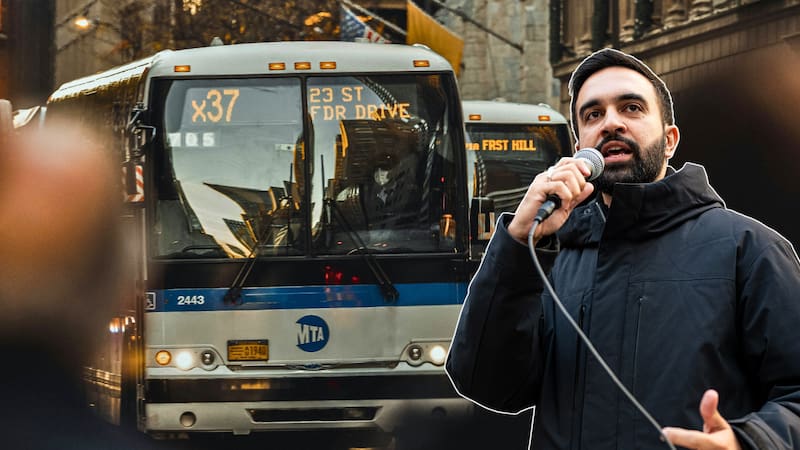
With the goal of reducing fare evasion and modernizing controls, the MTA (Metropolitan Transportation Authority) began deploying a more dynamic enforcement system inside buses, inspired by models already in use in major cities around the world.
The measure aims to change the traditional logic: paying when boarding is no longer enough; now passengers must be prepared to show proof of payment at any time during the trip.
New control system on New York buses
The implementation marks a shift in the way fare payment is monitored. Instead of fixed checks, the new scheme introduces random inspections inside vehicles, a common practice in European transit networks.
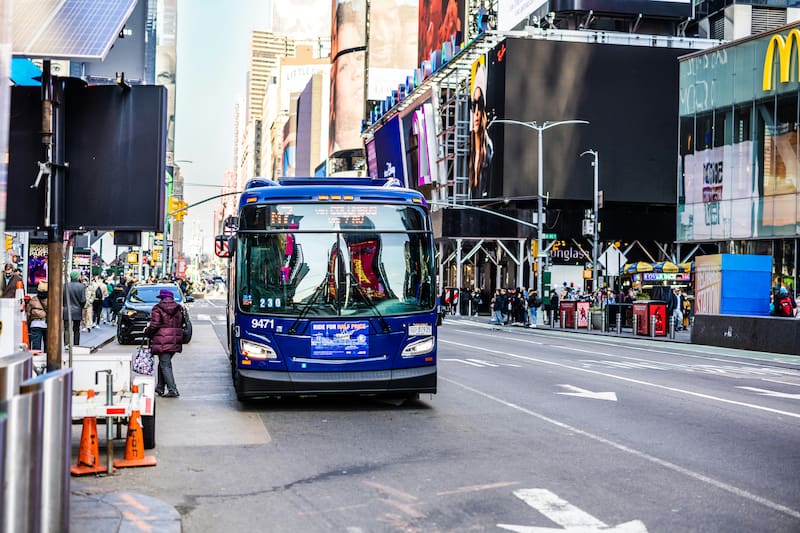
To carry it out, the MTA added specialized teams that move among passengers during the ride, verifying that everyone has paid correctly.
These agents use portable technology capable of reading different payment methods, allowing transactions to be validated instantly without interrupting service.
How inspections will work and what users must present
The system relies on digital tools that allow payment to be confirmed in seconds. This expands control beyond the moment of boarding and strengthens real-time enforcement.
Valid payment methods that may be requested:
- OMNY card
- Phones with contactless payment
- Debit or credit cards
For those who still use cash, inspectors also play an informational role, guiding users toward the digital system that has already become the standard since MetroCard was phased out.
Fines and penalties: what happens if you cannot prove payment
The new scheme aims not only to control, but also to correct behavior. That is why the system establishes a progressive penalty structure.
For a first offense, the passenger receives a warning with no monetary fine. However, if they repeat the offense, they will face penalties that can reach $100 and increase for repeated violations. In more serious situations, there could even be legal consequences.