
En esta noticia
In Mexico, the Supreme Court of Justice of the Nation (SCJN) ruled on a case that changes the rules for the transport of livestock in the country. The highest court determined that some permits requested by state governments can no longer be required as mandatory. However, it clarified that the transit permit will continue to be a valid document to prove ownership of the animals during transport.
The ruling was issued by the full bench of the SCJN when it decided Constitutional Controversy 216/2025. In its decision, the Court concluded that various provisions in force in the state of Nayarit encroached on powers that belong exclusively to the Federal Government, so those requirements were nullified after the ruling.
In the official statement, the Supreme Court explained that some state provisions sought to control the movement of animals through local authorizations.
“In practice, they established a state prior authorization system to move livestock,” the court said, which runs counter to the powers established in the Mexican Constitution.

The highest court validates ownership documents, but not state controls
The court ruling distinguishes between the documents used to prove ownership of livestock and those that function as mandatory permits for their transport. The justices upheld part of the Nayarit Livestock Law that recognizes administrative instruments to demonstrate possession or transfer of animals.
According to the statement, these mechanisms may remain in place because they do not constitute a mandatory filter for the movement of livestock.
“These provisions fall within the authority of the federal entities to legislate in civil matters and administrative matters”, the Court explained in justifying the validity of those records.
State permits to move livestock are invalidated
However, the full bench invalidated several articles of the same law that required state permits before transporting or exporting livestock, products, and livestock byproducts. Among them were the transit permits numbered by local authorities or authorizations issued by inspectors.
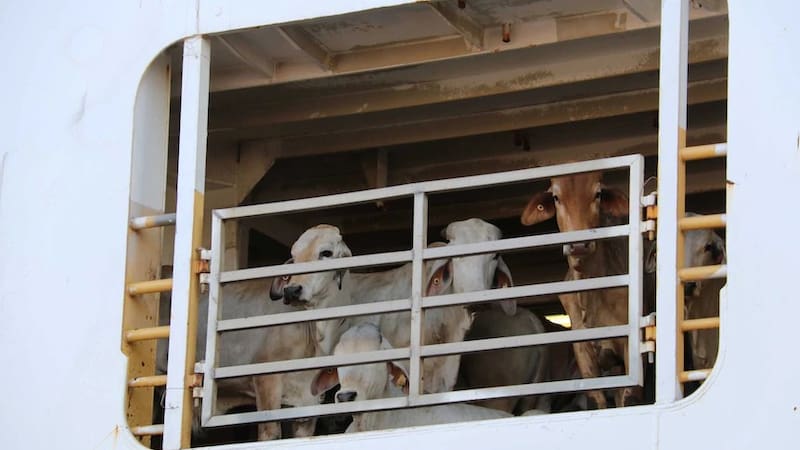
The Supreme Court stressed that this type of control falls within the federal sphere, especially in health matters.
“These provisions invade the Federal Government’s sphere of competence in the area of general health,” the court concluded, making it clear that states cannot impose prior authorizations for the movement of livestock.