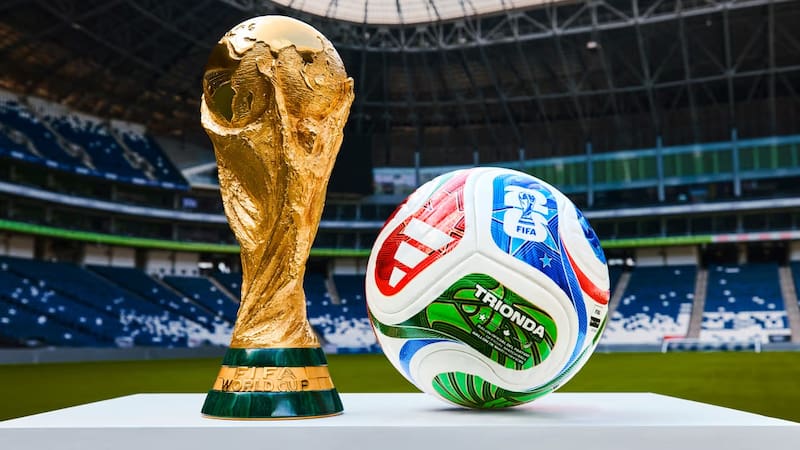

En esta noticia
The 2026 World Cup could bring one of the biggest regulatory surprises in recent years. Although millions of fans believe goal difference always determines teams when they finish level on points, there is a criterion that can carry much more weight: the Olympic tiebreaker.

The little-known rule that will decide all tied groups at the 2026 World Cup
Most fans pay attention to the goals scored and conceded throughout the group stage. However, when two national teams finish level and reach the final tiebreaking stages, FIFA turns to the head-to-head meeting between the two.
This means that if two teams finish tied on points, the applicable criterion is head-to-head, and the team that won the match between them will advance.
A win against a direct rival is worth more than a large goal difference against other teams in the group.
What happens if the match between them ended in a draw?
Here comes the most important exception. If the two tied teams drew their head-to-head match, the Olympic tiebreaker can no longer be applied to favor either one. In that case, the following regain relevance:
- Goal difference.
- Goals scored.
- Disciplinary criteria.