
En esta noticia
The United States Department of State approved a possible military sale to Brazil of 100 FIM-92K Block I Stinger missiles and associated air defense equipment, at an estimated value of US$330 million.
The operation was officially notified to Congress on June 11, 2026, through Brazil, thus becoming one of the main buyers of U.S. weapons in Latin America.
The sale includes the latest-generation portable missiles along with gripstocks, engineering assistance, integration services, and logistical support. The main contractors are RTX Corporation, based in Arlington, Virginia, and Lockheed Martin, in Syracuse, New York. The Brazilian government will not have to assign additional U.S. representatives to its territory to implement the operation.
What does the Stinger missile sale approved by the United States for Brazil include?
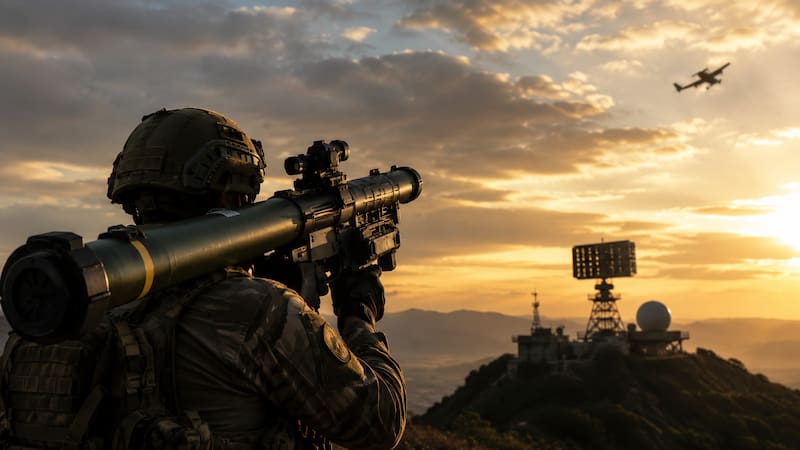
The operation authorized by the State Department includes one hundred FIM-92K Stinger Block I missiles, a portable air defense system of short range designed to intercept aircraft at low altitude. It is one of the most widely used anti-aircraft missiles by Western armed forces.
The package also includes:
- Gripstocks (firing devices).
- Engineering technical assistance.
- Integration services and logistical support.
- Support from contractors and U.S. government representatives.
The State Department clarified that, so far, there is no compensation agreement (offset) linked to this sale, although one may be negotiated between Brazil and the contractors.

Why is the United States selling air defense missiles to Brazil for US$330 million?
According to the official notification, the sale aims for Brazil to take on greater responsibility for its own territorial security and for operations against drug trafficking within its borders and its regional sphere. The State Department indicated that the acquisition supports the South American country’s defense modernization efforts.
Washington stressed that the operation will not alter the basic military balance in the region and that it will not have a negative impact on the defense capability of the United States. becoming, according to the U.S. government’s own assessment.