
En esta noticia
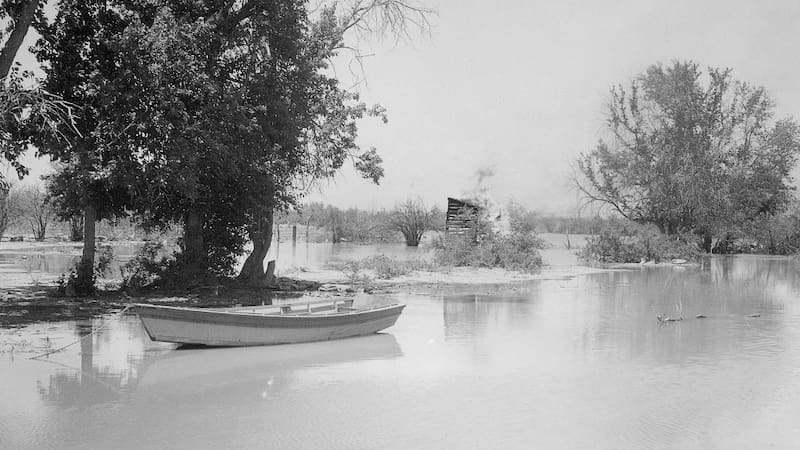
Amid the desert landscape of Nevada are the remains of the old town that remained hidden underwater for decades. The drop in the level of a huge lake allowed its streets and structures to become exposed again, and today it is possible to tour them.
The site is part of the Lake Mead National Recreation Area and preserves the vestiges of a community that once had hundreds of inhabitants before being abandoned. Today it has become a unique attraction for those who want to learn about a part of the history of the western United States.


St. Thomas, the ghost town in Nevada that was underwater
This is St. Thomas, a settlement founded in 1865 by Mormon settlers near the confluence of the Muddy and Virgin rivers, as documented by the United States National Park Service (NPS).
Over the years, the town grew to reach a maximum population of around 500 residents. It came to have a school, a post office, food stores, a church and several automobile garages, although it had no electricity or running water in the homes.
The history of St. Thomas changed after then-President Calvin Coolidge authorized the construction of Boulder Dam in 1928, later known as Hoover Dam.
The project would give rise to Lake Mead, and residents were informed that they would have to leave their properties as the water advanced.
How did St. Thomas end up underwater?
Filling of Lake Mead began in 1935, and the water gradually advanced over St. Thomas. By 1938, the town had been abandoned.
One of the last residents to leave was Hugh Lord, who left his home in 1938 when the water had already reached his front door.
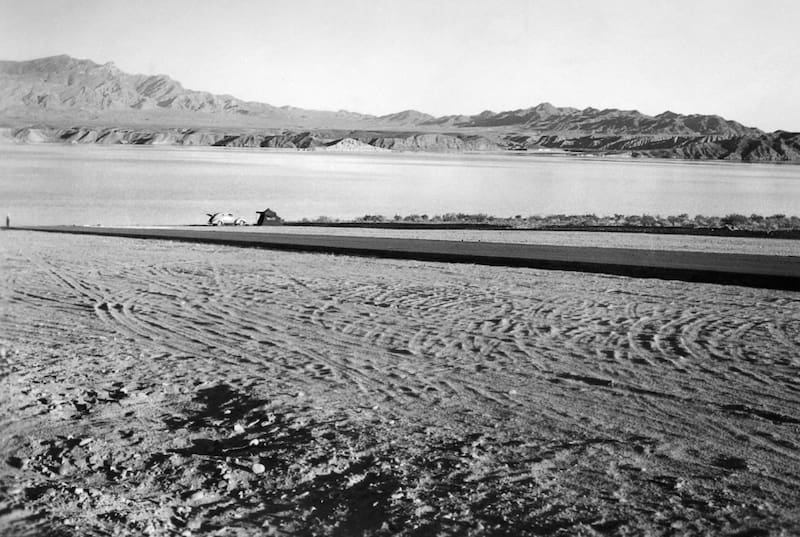
When the lake reached its maximum level, the remains of St. Thomas were approximately 60 feet underwater.
However, the story took an unexpected turn. Fluctuations in the lake level caused the old settlement to emerge on several occasions since 1938. The drop in the water eventually left its ruins exposed again.
Can the ghost town of St. Thomas be visited today?
Today, St, Thomas remains exposed and can be visited. The NPS notes that those who arrive at the site can walk along the old roads and observe the remains of the structures that once formed part of the town.
The site has the St. Thomas Trail, a round-trip route of about 2.5 miles that crosses the ruins. The NPS classifies it as moderate difficulty and estimates a duration of between one and four hours.
During the tour, foundations of old structures and small objects related to the settlement can still be found. Since it is a protected archaeological site, it is forbidden to remove or move artifacts, climb on the structures or damage them.
The trail is available year-round and does not require a reservation. However, it does not have services or drinking water at the trailhead, so NPS recommends bringing enough water and taking extra precautions against high temperatures.

Where is St. Thomas located and how do you get there?
The town is located in the northern sector of Lake Mead National Recreation Area, near Overton Arm and the Muddy River, in Nevada.
To get to the trailhead, you must travel along Old St. Thomas Access Road, a dirt road that can have uneven sections. The National Park Service recommends special caution for those driving low-clearance vehicles.
The visit is part of the Lake Mead recreation area, where admission is currently charged. The standard pass costs between $15 and $25, depending on the type of entry, while the annual park pass costs $45.