
Por Magalí Schefer
En esta noticia
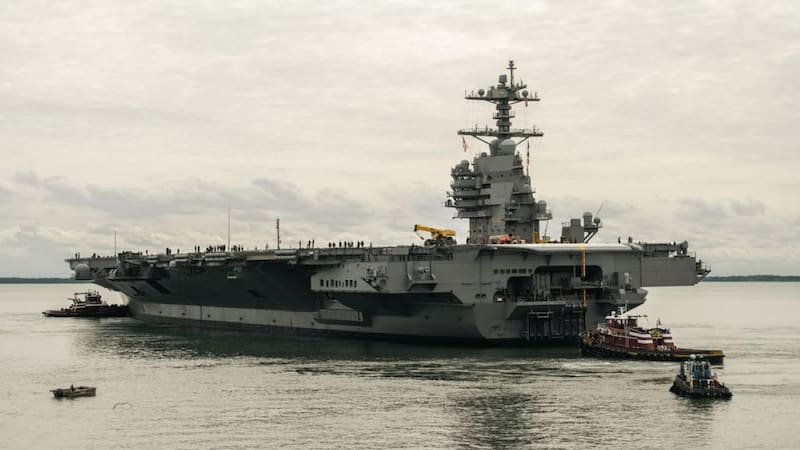
The U.S. Navy confirmed that the future USS John F. Kennedy (CVN 79) has reached about 99% completion, a key step toward adding a new, next-generation nuclear-powered aircraft carrier to its fleet.
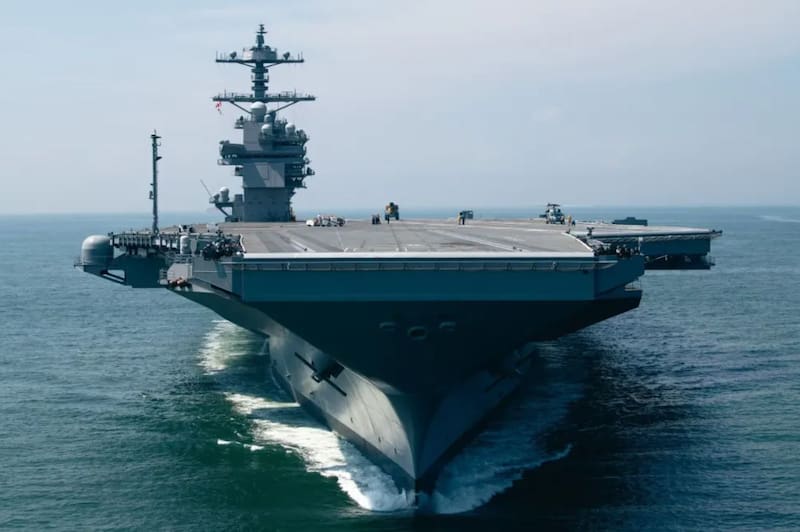
The ship, built in Virginia, is 333 meters long, displaces about 100,000 tons and is designed to operate with F-35C stealth fighters and electromagnetic aircraft launch systems.
On Sept. 29, the military said it had granted preliminary aircraft carrier acceptance after successfully completing acceptance trials in August. That step allows the crew to continue training at sea while the remaining technical checks are finished.
The vessel is being built at Newport News Shipbuilding, a division of the U.S. company HII, and is the second aircraft carrier in the Gerald R. Ford class, developed to gradually replace older Nimitz-class ships.


When will the new aircraft carrier be finished?
The USS John F. Kennedy (CVN 79) entered the final phase of construction after receiving preliminary acceptance on Sept. 29, 2026, a recognition that marks the move toward its final operational tests.
The Navy said this progress will allow the aircraft carrier to be used for navigation drills and crew training, without waiting for all the shipyard checks to be completed.
Capt. Mark Johnson, director of the Gerald R. Ford-class new aircraft carrier construction program, highlighted the importance of the process: “Receiving preliminary acceptance marks a new phase for the ship and its crew, allowing them to move ahead with testing and training at sea”.
The ship’s main systems are now complete. However, technical testing is still under way, including for four advanced weapons elevators designed to move munitions between the carrier’s different levels.
Delivery is scheduled for spring 2027, although that does not necessarily mean it will enter operational service immediately.
How long is the CVN 79 aircraft carrier and what military technology will it have?
The new U.S. aircraft carrier stands out for both its size and the systems it includes for conducting air operations at sea:
- 333 meters long: a length comparable to three 110-meter football fields placed end to end.
- 100,000-ton displacement: a size that puts it among the largest warships in the world.
- More than 23 new technologies: related to propulsion, electrical generation, weapons handling and air operations.
- Nuclear propulsion: designed to sustain long operations without relying on conventional fuel to power the ship.
- Compatibility with F-35C fighters: fifth-generation stealth aircraft developed to operate from aircraft carriers.
- Electromagnetic launch system: technology that allows aircraft to accelerate during takeoff from the flight deck.
One of its main innovations is the Electromagnetic Aircraft Launch System (EMALS), which uses electromagnetic energy instead of traditional steam catapults to launch aircraft. This system allows for more precise control of aircraft acceleration and is designed to support operations with different types of carrier-based aircraft.
Why the aircraft carrier will be able to operate stealth fighters
One of the most important changes to CVN 79 is its preparedness to operate F-35C Lightning II fighter jets, fifth-generation aircraft that use stealth technology to reduce detection by certain radar systems.
These aircraft are designed to take off from and land on aircraft carriers, so they have specific features to withstand the demands of naval operations.
The project also includes the new Enterprise air surveillance radar, developed to improve threat detection and tracking capabilities.