En esta noticia
The presence of dampness on walls is one of the most common problems that can appear in homes and apartments.
Beyond causing visible marks, unpleasant odors, and paint deterioration, this problem can encourage the formation of mold on different surfaces.
White vinegar, an ally for removing dampness from walls
White vinegar contains acetic acid, a compound that helps eliminate different types of mold present on household surfaces when the problem is limited.
Unlike some very harsh products, vinegar can penetrate porous materials and act on part of the fungus growth.
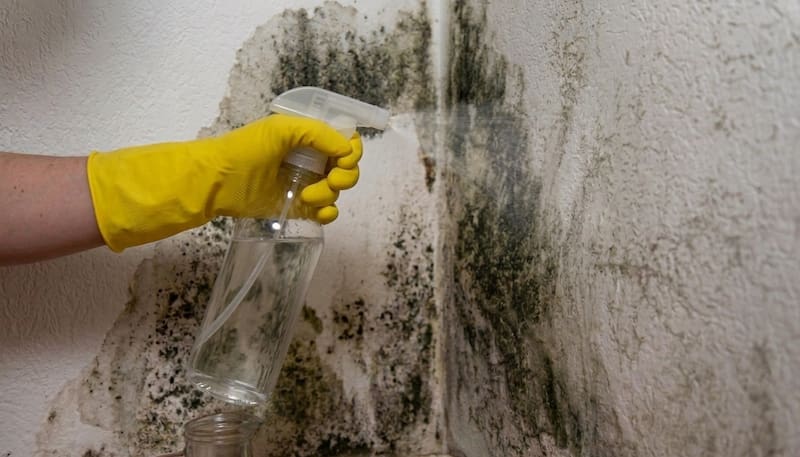
However, this method is suitable only for small surfaces. When mold covers a large area, or there is a structural dampness problem, the intervention of a professional will be necessary.
How to apply white vinegar to remove mold from the wall
Before starting, it is recommended to use gloves, a mask, and eye protection, since during cleaning the mold spores can spread into the air.
Then, follow these steps:
- Ventilate the room by opening doors and windows.
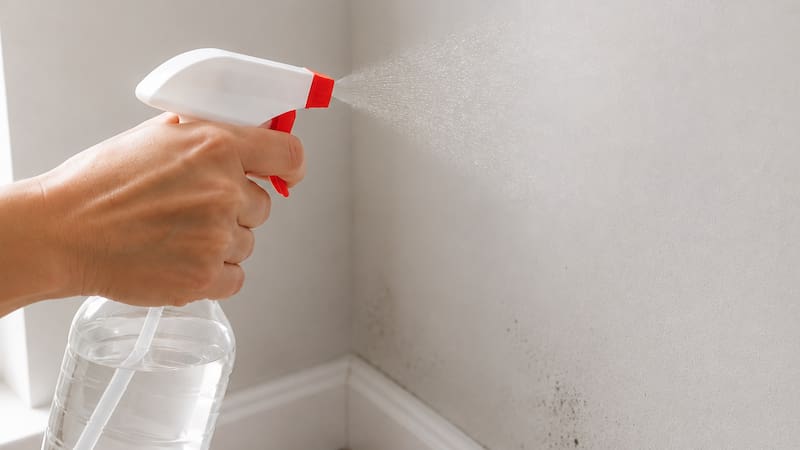
- Spray undiluted white vinegar directly on the affected area.
- Let it sit for 30 to 60 minutes.
- Scrub the surface with a stiff-bristled brush.
- Remove the residue with a clean damp cloth.
- Dry the wall completely to prevent moisture from building up again.
Once the cleaning is finished, it is important to discard the materials used or wash them properly.
Why do dampness and mold appear on walls?
Mold does not appear by chance. There is always a source of moisture that encourages its growth.
The most common causes are:
- Water leaks from outside.
- Leaks in hidden pipes.
- Rising damp from the foundations.
- Condensation caused by showers, cooking, or heating.
- Poor ventilation in the rooms.
If the cause is not corrected, mold can reappear even after a deep cleaning.
How to prevent dampness from appearing again
The best strategy is to control the humidity in the room and act quickly when leaks or condensation appear.
Specialists recommend:
- Ventilate the home every day.
- Use exhaust fans in bathrooms and kitchens.
- Repair water leaks as soon as possible.
- Dry damp surfaces immediately.
- Use dehumidifiers when indoor humidity is high.
- Paint the walls with anti-mold products once they are completely dry.
Keeping indoor relative humidity between 30% and 50% significantly reduces the risk of fungus growth.