En esta noticia
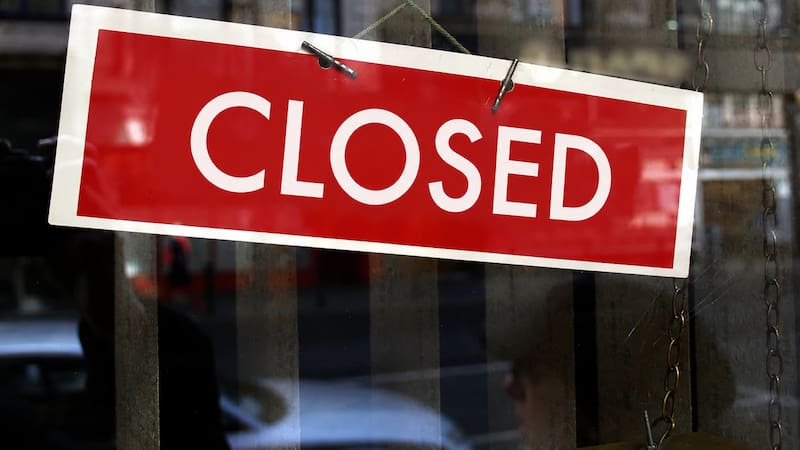
The fast-food chain Mexican Guzman y Gomez confirmed the closure of all its locations after pulling out of the U.S. market. According to a statement on its website, as of May 22, it permanently ceased operations.
The restaurant made its U.S. debut in Naperville, Illinois, in 2020. In the following years, it expanded to other neighborhoods such as Chicago, Evanston, and others.
One of the country’s most popular fast-food chains says goodbye: Why is Guzman y Gomez leaving?
The Mexican fast-food chain, originally from Australia, Grill confirmed the permanent closure of all its restaurants in the country after announcing its complete exit from the U.S. market. Although they arrived in America with great hope and expansion plans, Guzman y Gomez acknowledged that sales did not meet expectations and that sustaining the business in the country required much more time and capital.

According to a notice on its website, it closed its eight branches located in the Chicago area. They explained that financial performance in the United States was not what they wanted and that the rising inflation of the past 12 months drove up operating costs and, at the same time, added competition within the fast Mexican food market.
It is closing all its locations and will no longer serve any customers. What was the restaurant’s specialty?
Guzman y Gomez began operations in the United States in 2020. The goal was to compete with giants like Chipotle Mexican Grill,. .Grill However, according to the company, the expansion model in suburbs and drive-thru locations made it difficult for the brand to establish itself in the market.
Its specialty was Mexican-style fast food, with well-known items such as burritos, tacos, quesadillas, nachos, and bowls. The dishes were prepared with fresh ingredients and recipes inspired by true Mexican street food.
What happens to the workers?
The closure also sparked controversy among American workers. Former employees took legal action against the company, claiming that they were notified of the closure without the 60-day notice required by local labor laws for mass layoffs.
The chain had achieved significant growth in Australia, Singapore, and Japan, where it still maintains operations and expansion plans. In fact, after announcing its exit from the United States, its shares rose sharply on the Australian stock exchange, as investors interpreted the decision as a way to stem losses and focus on more profitable markets.