En esta noticia
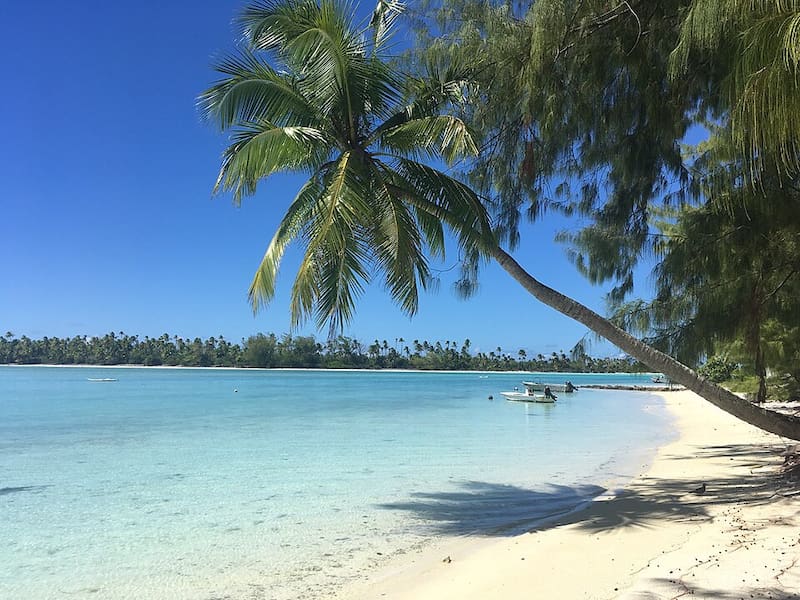
In the middle of the Pacific Ocean lies Tetiaroa, a remote atoll in French Polynesia that was once the private retreat of Hollywood actor Marlon Brando. Decades after the actor acquired the property, the collection of small coral islands has become an important site for marine conservation.
During one recent monitoring season, biologists recorded an estimated 15,614 green sea turtle hatchlings emerging from nests across the protected islets. Researchers documented 113 nesting females and approximately 161 nests as part of an annual survey that runs from September through March.
How Marlon Brando discovered Tetiaroa
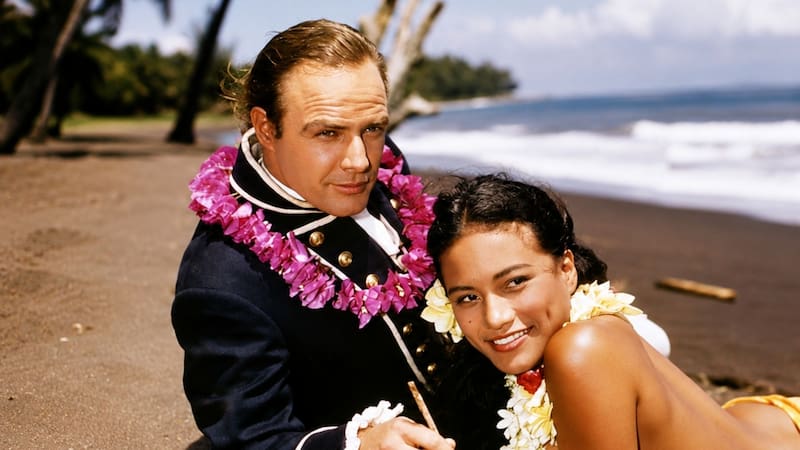
Brando first visited Tetiaroa in 1960, while searching for filming locations for the MGM movie Mutiny on the Bounty. The actor was captivated by the isolated atoll, which consists of a group of small islets surrounding a turquoise lagoon.
Six years later, in 1966, Brando negotiated the purchase of land rights to the atoll from descendants of Johnston Walter Williams, an American dentist who had previously owned it. Rather than developing the location into a large commercial destination, Brando wanted it to remain relatively isolated.
He eventually built a modest village on Motu Onetahi, where he could stay with his family and host scientists studying the area’s environment.
From Hollywood retreat to conservation site
Brando died in 2004, but his environmental vision continued through efforts involving his estate and Pacific Beachcomber. These efforts helped establish the Tetiaroa Society, an organization dedicated to scientific research, environmental protection and the preservation of Polynesian culture.
Scientists now operate from an ecological research station on Motu Onetahi, studying subjects including coral reefs, ocean acidification and native plant species.
One of the major conservation challenges was the presence of invasive rats. These introduced predators posed a threat to native wildlife, including ground-nesting birds and sea turtle nests.
Conservation programs subsequently removed invasive Pacific rats from several of the atoll’s islets. With the predators gone, native species and vegetation have had a greater opportunity to recover.
More than 15,000 turtles emerged in one season
Green sea turtles, known locally as honu, depend heavily on Tetiaroa’s quiet beaches during their breeding season.
Female turtles have a remarkable ability to return to the beaches where they were born, often decades after leaving them. Researchers say they can use ocean currents and Earth’s magnetic field to navigate back to their nesting areas.
The monitoring program provides a detailed picture of the turtles’ activity. During the latest survey, researchers recorded more than 430 turtle crawls, identified 113 individual females and monitored 161 nests.
After the eggs hatched, scientists estimated the number of successful hatchlings by counting the empty eggshells left behind. The resulting figure was 15,614 young turtles that successfully reached the water.
Researchers also patrol the beaches at night, when female turtles come ashore to lay their eggs. Adult turtles are tagged so scientists can track their nesting patterns over several years, while nests are monitored for flooding and predators.
How tourism helps protect the atoll
Conservation at Tetiaroa is also connected to The Brando, the luxury eco-resort located on Motu Onetahi.
The resort contributes financially to conservation and research activities, helping support boats, scientific equipment, laboratory facilities and other resources used by the Tetiaroa Society.
The property also incorporates environmental technologies. One example is a seawater air-conditioning system that pumps cold ocean water from a depth of about 930 meters to help cool the buildings while reducing electricity consumption.
The model is intended to demonstrate how luxury tourism, scientific research and environmental protection can coexist in a fragile island ecosystem.

The turtles still face threats in the open ocean
Despite the success at Tetiaroa, protecting nesting beaches does not eliminate the dangers faced by green sea turtles.
After the breeding season, female turtles can travel thousands of miles across the Pacific toward feeding grounds. During these migrations, they can encounter fishing equipment, marine plastic and rising ocean temperatures.
Climate change also presents another challenge because the temperature of the sand influences the sex of developing turtle embryos. Warmer nesting beaches can therefore affect the balance of male and female turtles produced.
For that reason, conservationists consider protected nesting sites such as Tetiaroa particularly important. Keeping the beaches free from invasive predators gives young turtles a better chance of reaching the ocean.
What began as a Hollywood actor’s fascination with an isolated Pacific paradise has consequently evolved into something much larger: a long-term conservation effort that is helping protect one of the region’s most important green sea turtle nesting sites.