
En esta noticia
Running out of fuel in the middle of a trip can become a problem, especially when there are no gas stations nearby or unexpected delays occur. To reduce that risk, road safety guidance advises not waiting until a vehicle’s tank is nearly empty before filling up again.
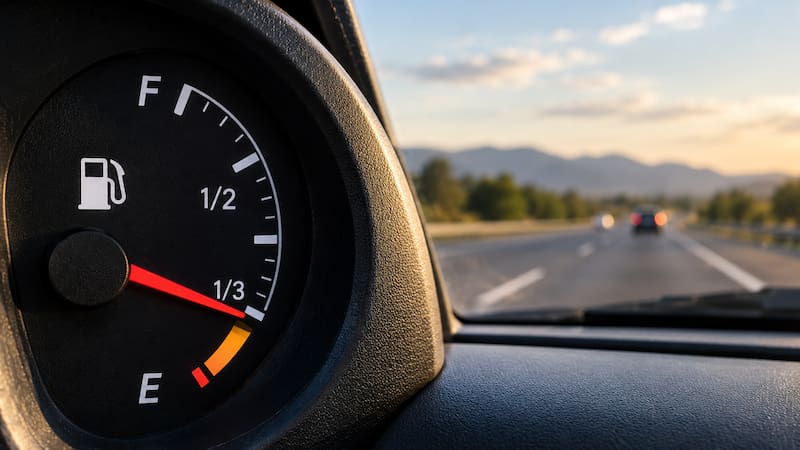
In this regard, the U.S. Navy includes a specific recommendation in its IA Family Handbook: do not let the fuel level drop below one-third of the tank’s capacity. The guidance is part of a set of tips for traveling more safely, both on long trips and around town.
Why is it advisable to keep at least 1/3 of a fuel tank full?
The main reason is to have a reserve that allows the trip to continue if an unexpected situation comes up.
Even if a driver has planned where to refuel, circumstances can arise that change those plans, such as traffic jams, detours, closed roads, or gas stations that are out of service.
Keeping at least one-third of the tank full provides an extra cushion of driving range to find another option without having to rely on finding fuel right away.
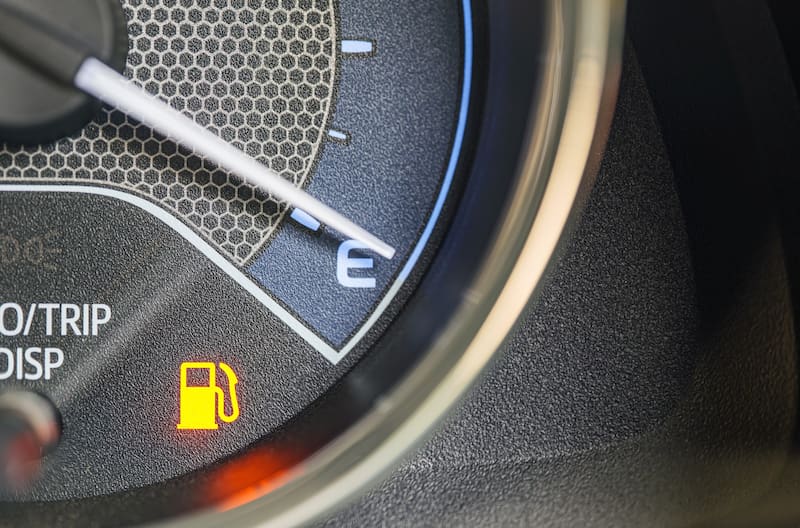
The recommendation becomes especially important on long trips, drives through sparsely traveled areas, or trips where the location of the next gas station is not known precisely.
What other advice does the U.S. Navy offer for safe travel?
In the same section of its handbook, the Navy lists other measures aimed at reducing risks during road travel.
These include:
- Keep the vehicle doors locked and always wear a seat belt.
- Travel preferably on main roads and highways.
- Carry a flashlight, a blanket, and a first-aid kit.
- Bring extra warm clothing when traveling through cold areas.
- Carry water and nonperishable food on long trips.
- Have a cell phone to call for help in an emergency.