

En esta noticia
Tough stains in bathroom grout, in a plastic container, or on a white shirt are the eternal enemy, and specialized products are often expensive or very harsh.
That is why a homemade mixture that combines two things that are usually found at home became popular: baking soda and hydrogen peroxide. Unlike many home tricks, this one has a clear chemical explanation.
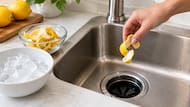
What mixing baking soda with hydrogen peroxide is for
The combination forms a whitening, all-purpose stain-removing paste. It is used mainly for household cleaning, where it helps lighten tile grout and remove stains and yellowish residue from plastic containers, baking trays, and even fabrics.
Baking soda is a very fine abrasive and, in addition, slightly alkaline. Its function is mechanical: it acts as a gentle polish that removes the stain from the surface without scratching. At the same time, because it is alkaline, it helps neutralize odors.

Hydrogen peroxide (hydrogen peroxide, H₂O₂) is the other engine of the trick, and it works chemically: it is an oxidizing agent. Stains have color because they contain molecules called chromophores, and oxidation breaks the bonds in those molecules, so that the stain loses color: it is not “covered up,” it is decolorized.
In that process, the peroxide breaks down, releasing oxygen, and that is why it works in a similar way to the oxygen bleaches sold commercially.
Together, the baking soda provides the polishing that lifts dirt from the surface and the peroxide chemically attacks the color of the stain, even the one that is a little more stuck on.
Step by step: how to make the mixture at home
The preparation is simple and it is best to make it when needed, not store it. Below is the step by step:
- Put half a cup of baking soda in a container and gradually add household hydrogen peroxide (the common one, 3%) until you form a thick paste.
- Apply the paste to the stain or the already cleaned grout
- Let it sit for a few minutes and scrub with a brush or sponge.
- Rinse well with water.
The ideal is to prepare only the amount that will be used, because the mixture loses effectiveness as it reacts.
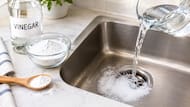
Why it is recommended
Beyond the result, the appeal is that it is a natural, inexpensive, and readily available alternative to specialized products.
It uses two low-cost ingredients that are usually found at home, avoids the harshest commercial bleaches, and serves several purposes at once: the same paste that lightens bathroom grout works for a stained container or a white garment.
Which surfaces can you clean with baking soda and hydrogen peroxide?
A paste made with baking soda and 3% hydrogen peroxide can help remove certain stains and brighten some light-colored surfaces. However, the results depend on the material, the type of stain and how long the mixture remains in contact with the surface.
Here are some of the areas where the combination may be useful:
- White tile grout: The paste can help loosen embedded dirt while the hydrogen peroxide helps lighten discoloration. Scrub gently with a soft brush and rinse thoroughly.
- Ceramic cookware and baking trays: Baking soda provides mild abrasion to help lift stuck-on residue, while hydrogen peroxide can help reduce the appearance of certain stains. Check the manufacturer’s cleaning instructions first.
- White fabrics: Hydrogen peroxide may help lighten organic stains, including some food and beverage marks. Test an inconspicuous area first, as it can also remove fabric dyes.
- Plastic food containers: The mixture may help reduce visible discoloration, but check the manufacturer’s instructions and rinse the container thoroughly before using it again.
Avoid using the mixture indiscriminately on every surface. Colored fabrics, dark grout, delicate finishes and natural stone such as marble may be vulnerable to discoloration or damage. Test a small, hidden area before applying it more broadly.