
En esta noticia
Knocking a new web off a window with a broom, duster or vacuum takes about two seconds. Doing it every time a web appears is one of the simplest ways to keep spiders from building there, according to university entomologists and published research on how spiders choose where to build.
Washington State University Extension and the University of Kentucky’s entomology department both point to this kind of physical removal for web-building spiders around the house. WSU recommends no chemical treatment for them at all.
The habit won’t make a window spider-proof. Spiders follow their food, so as long as insects keep gathering at the glass, new webs can appear. That’s why the experts pair the hack with a few changes to lighting and screens.


Why does this hack stop spiders from making webs on windows?
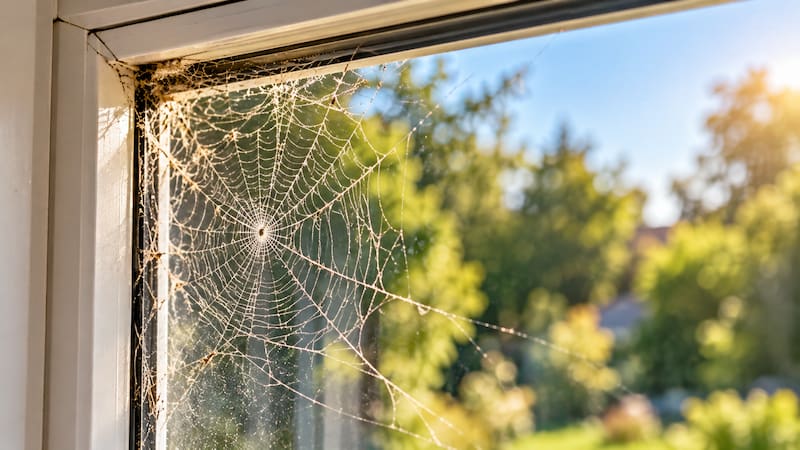
A web goes where the meals are. WSU notes that orb weavers, the spiders behind those large, wheel-shaped webs, often build across windows lit from inside, because the glow pulls flying insects toward the glass after dark.
Lab research backs that up. A 1999 study found that one orb-weaving species chose to build near artificial light, and field surveys later counted more of the same spiders around streetlights, where night-flying insects cluster.
Each swipe wipes out that setup. Kentucky entomologists say a broom or vacuum takes out the spider, its web and its egg sacs in one pass, which keeps a new generation from hatching in the same spot.
Repetition is what makes it work. In a study published in the Journal of Arachnology, orb weavers whose webs were destroyed by researchers were more likely to abandon the site. A field study of another species found that nearly every move followed a day with almost no food, a wrecked web or both.
Lab tests on a third species point the same way. Spiders moved away from the spot where their webs kept getting damaged, and the ones that went hungry traveled the farthest, which is why clearing webs works best alongside cutting off the insect supply.
How do you use the 2-second hack on your windows?
The glass is the least important part. Webs anchor in the corners and along the frame, so that’s where the swipe needs to land. A quick routine covers the key spots:
- Outside frames and eaves: Use a long-handled duster or broom, sweeping into the upper corners where webs usually start.
- Inside sills and corners: Run a vacuum’s brush attachment along the sill and frame, and into the window tracks, where dead insects and silk collect.
- Egg sacs: Look for small, round silk pouches tucked into crevices and remove them along with the web.
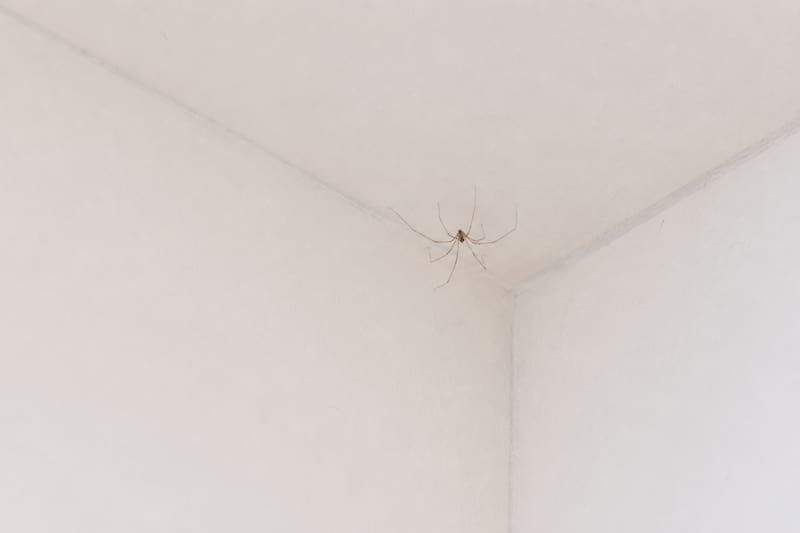
If you’d rather not harm the spider, move it first. Trap it under a cup, slide a piece of stiff paper underneath and release it outside, away from the house.
What else stops spiders from making webs on windows?
Cutting off the insect supply makes the hack last longer. WSU recommends reducing light near windows at night, and closing blinds or curtains after dark does the same job. Kentucky suggests switching to outdoor bulbs that draw fewer night-flying insects.
Screens add a physical barrier. Kentucky recommends tight-fitting window screens and door sweeps to keep out both spiders and the insects they hunt.
Home remedies get mixed results. In a lab study published in December 2017 in the Journal of Economic Entomology, brown widow spiders avoided peppermint oil and chestnuts in more than 75% of trials but ignored lemon oil. The tests covered only a few species in controlled conditions, not real homes.
Leaving some webs alone is also an option. WSU considers spiders beneficial because they eat insects, and it lists simply tolerating them as a legitimate choice when a web isn’t in the way.