
En esta noticia
The kitchen drain is one of the areas of the home that requires frequent cleaning, due to its contact with food scraps and dirt. Although it often goes unnoticed, keeping it clean is part of the routine care needed to maintain the hygiene of this space.
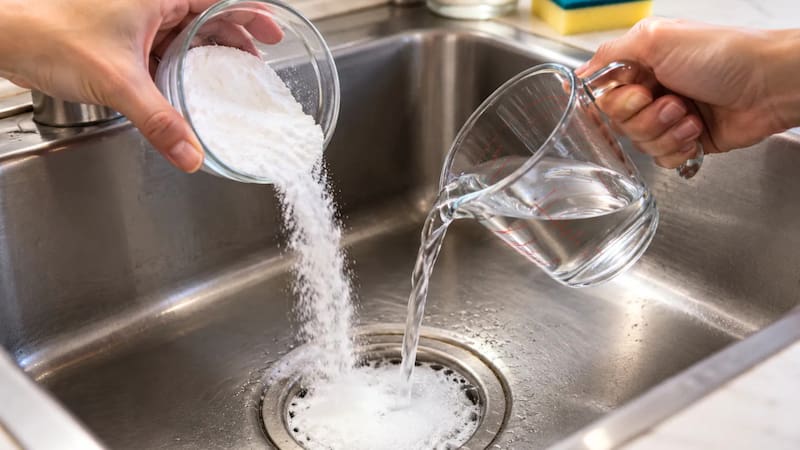
In this context, Iowa State University, in the United States, recommends using a combination of baking soda and white vinegar as part of drain cleaning. The procedure consists of placing both ingredients, letting them act for a few minutes, and rinsing with water.

What is pouring baking soda and vinegar down the kitchen drain for?
Iowa State University includes this procedure among its recommendations for keeping different areas of the kitchen clean, especially those that come into contact with food scraps.
When baking soda and white vinegar are combined, a reaction occurs that produces foam. According to the institution’s instructions, the mixture should remain in the drain for a certain amount of time before rinsing.
This method is presented as an alternative to include in the regular cleaning of the drain, along with other kitchen maintenance tasks.
How do you clean the kitchen drain with baking soda and vinegar?
The university details a procedure that uses specific amounts of both ingredients.
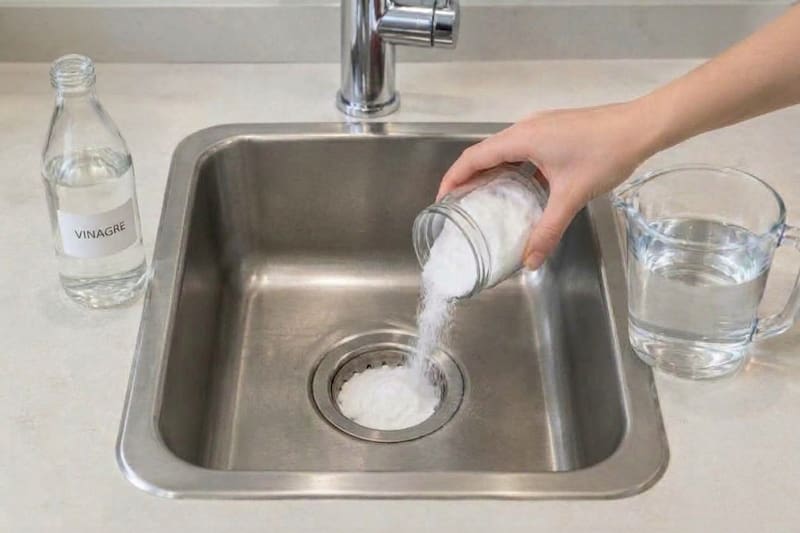
- Pour half a cup of baking soda directly into the drain.
- Add a cup of white vinegar over the baking soda.
- Let the mixture act for 10 to 15 minutes while the foam forms.
- Rinse with boiling water, according to the university’s instructions.
In addition, the institution recommends cleaning the garbage disposal parts, when there is one, and washing sink strainers or filters daily to remove food scraps.
The procedure is part of the cleaning recommendations published by the university in May 2026.


What other recommendations does the university give to keep the kitchen clean?
In addition to the drain, Iowa State University highlights the importance of regularly cleaning other surfaces and utensils that come into contact with food.
Its recommendations include:
- Clean the kitchen sink with soap and water to remove dirt before applying an appropriate disinfectant product.
- Change kitchen cloths daily and wash them with hot water.
- Clean and disinfect cutting boards after using them, especially when they have come into contact with raw meat.
- Keep countertops and work surfaces clean to reduce the risk of food contamination.
The institution reminds readers that cleaning and disinfecting are different tasks. While cleaning removes dirt and organic residue, disinfecting seeks to reduce or eliminate microorganisms through appropriate products and procedures.