
En esta noticia
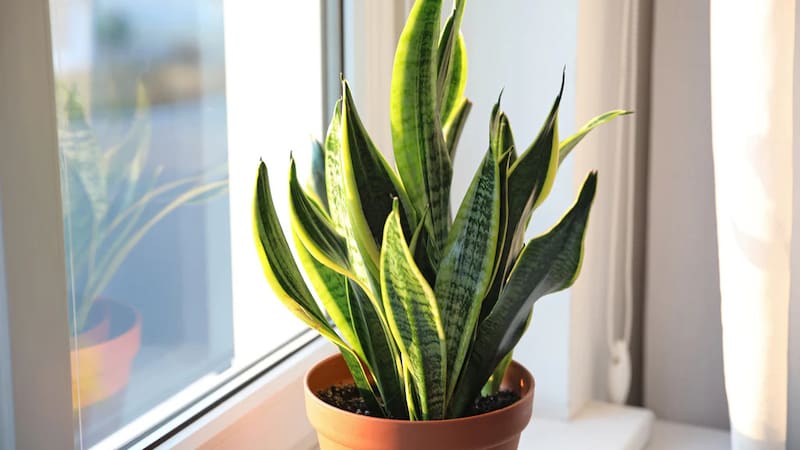
The snake plant (Dracaena trifasciata) is one of the most popular indoor plants because of its hardiness and low maintenance needs. It is a long-lived, undemanding species that adapts to different home environments.
However, some care practices make the difference between a plant that simply survives and one that stays strong and renews its foliage.
According to extension guides from Penn State University and the University of Florida, there are important points that improve the plant’s growth.

The ideal light for the snake plant
The species enjoys bright indirect light, although it tolerates low-light places very well. While it adapts to shady corners, a brighter environment promotes its development.
What is advisable is to avoid direct sun, which can burn the leaves. Specialists at the University of Florida also recommend protecting it from the intense afternoon sun.
Substrate and pot: drainage comes first
Penn State University points out that it needs a fast-draining substrate, since excess moisture is its main enemy. A cactus mix or soil with perlite (a mineral with small white pebbles) keeps water from stagnating around the roots.
The choice of pot also matters:
- With holes in the base: it is essential to prevent the soil from becoming waterlogged.
- Heavy: tall varieties can topple because of the weight of the leaves, especially when the substrate is dry.
- Tight: the plant does not suffer from being a little cramped, but its roots can eventually break a clay pot if they grow too much.
How often and when to water the snake plant
The main rule is to water only when the substrate is dry. Too much water can cause root rot, the most common problem for this species, while the plant can go a month or more without watering without suffering damage.
In the colder months, it is advisable to space out watering even more. In addition, it is recommended to avoid getting water in the center of the leaf rosette.
How to fertilize the plant so it is more robust
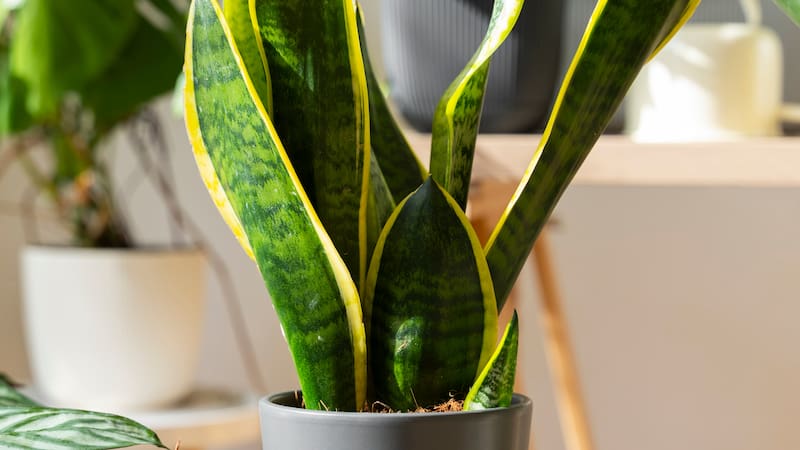
To get a more vigorous plant, specialists suggest applying a general-purpose fertilizer once a month during the growing season, which in Argentina runs from spring to summer. The key is to dilute it to half the dose indicated on the package.
It is a plant that needs few nutrients, so more does not mean better results. Too much fertilizer can harm it instead of helping it.
Maintenance, repotting and propagation
Some simple actions help keep the plant in good condition:
- Clean the leaves: remove dust from time to time.
- Remove damaged leaves: cut them off at soil level.
- Control pests: mealybugs and spider mites can appear occasionally.
- Renew the substrate: approximately every five years.
That is the ideal time to propagate it. The easiest way is to divide the plant and separate the offshoots that grow next to the mother plant; it can also be propagated with leaf cuttings.


An important care point: it is toxic to pets
All snake plant species contain saponins, substances that the plant naturally produces and that are toxic if ingested.
The ASPCA, the U.S. organization that is a reference in animal toxicology, includes it among the plants toxic to dogs and cats.
According to its listing, the most common symptoms are nausea, vomiting and diarrhea.