
En esta noticia
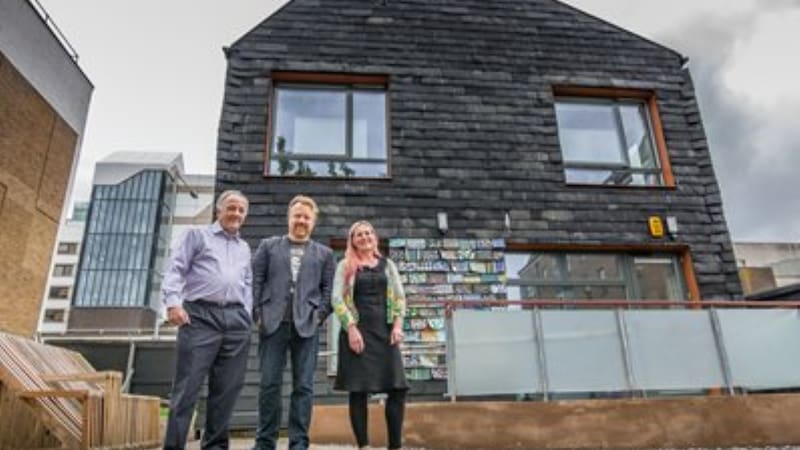
The Brighton Waste House, built at the University of Brighton, England, uses more than 85% recycled or discarded materials. Driven by architect Duncan Baker-Brown, the house incorporates nearly 20,000 toothbrushes, used jeans, DVDs, and construction waste to investigate new ways of building and reducing waste.

In 2025, the building began a new stage as The Brighton Wild House, with a proposal that seeks to integrate the house with nature and promote biodiversity.
What the house built with toothbrushes and used jeans is like
The construction makes use of household waste and leftover materials from construction work that would normally end up in the trash. Some were incorporated into wall cavities to study their usefulness as insulation.
Among the elements used are toothbrushes, jeans, razors, DVDs, videotapes, bricks, and wood scraps. In addition, one of its walls was built with ten tons of chalk waste and 10% clay.
The project’s philosophy is summed up in a phrase: “There is no such thing as waste, only things in the wrong place.”
What the toothbrushes in the walls are for
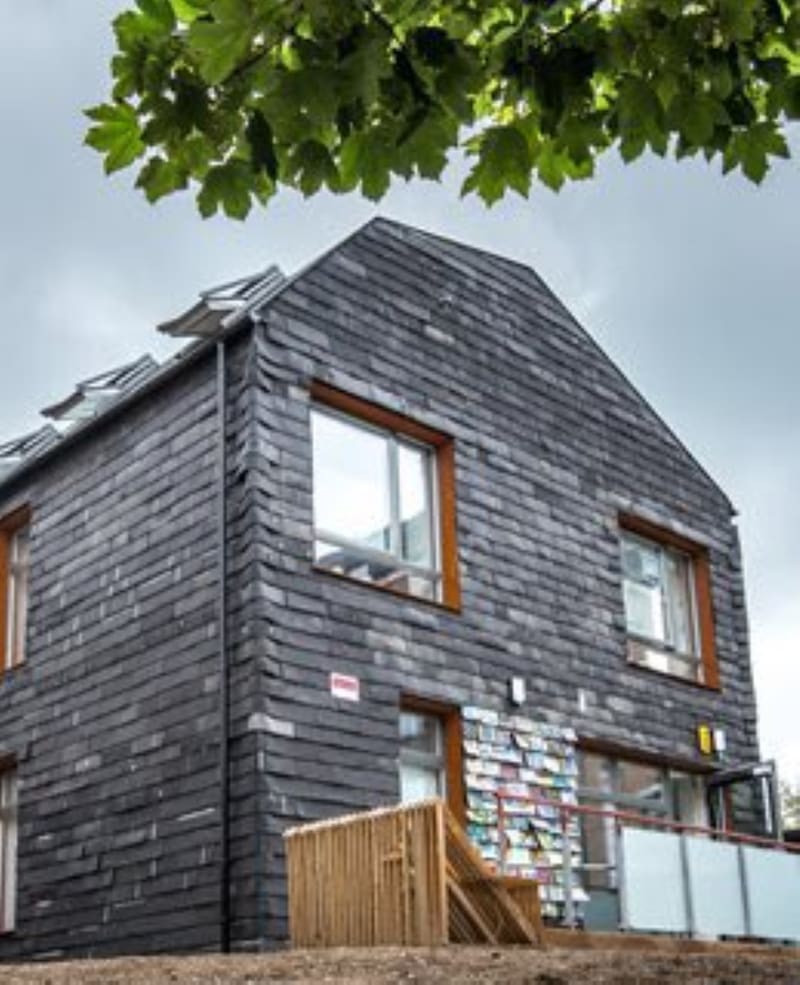
According to the University of Brighton, nearly 20,000 discarded toothbrushes were used, many of them coming from flights departing Gatwick Airport. The documentation also records 19,800 units inside a cavity in the ground-floor wall.
The toothbrushes are part of research into using plastic waste in construction. The project also studies the insulating behavior of other recovered materials, with the participation of postgraduate students.
What the Wild House is and how it connects the home with nature
In 2025, the former waste house was transformed into The Brighton Wild House, an initiative that seeks to show how homes can promote biodiversity and improve the connection between people and their environment.
The proposal incorporates wood from different species, wicker structures, and natural textures. It also includes a sound system that transmits sounds from a natural environment and augmented-reality binoculars to observe a wooded landscape and its ecological changes.
Nick Gant, a professor at the institution, explained the purpose of the transformation: “By integrating regenerative materials and interactive sensory experiences into daily life, we are rethinking the concept of home.”
Where the sustainable house is located
The Brighton Waste House is located on the University of Brighton’s urban campus, in England. The original project involved more than 300 students and received educational visits from more than 750 students from 35 local institutions.
The building currently continues to function as a space for research and learning about sustainable design.